
E-commerce Clothing Photography: A Guide for Fashion Brands
E-commerce clothing photography plays an essential role in how customers discover, evaluate and purchase fashion products online. Since shoppers cannot touch or try on garments before buying, professional product images must communicate the fabric, fit, color, texture and overall quality of each item as accurately as possible.
For fashion brands, clothing manufacturers and online retailers, high-quality photography is more than a visual requirement. It is an important part of brand identity, product presentation and the customer experience.
Whether you are launching a new clothing collection, managing an established online store or preparing products for international marketplaces, choosing the right photography approach can make a significant difference.
In this guide, we will explore the main types of e-commerce clothing photography, how to plan a professional photoshoot, which images your products need and how fashion brands can organize their photography production in Turkey.
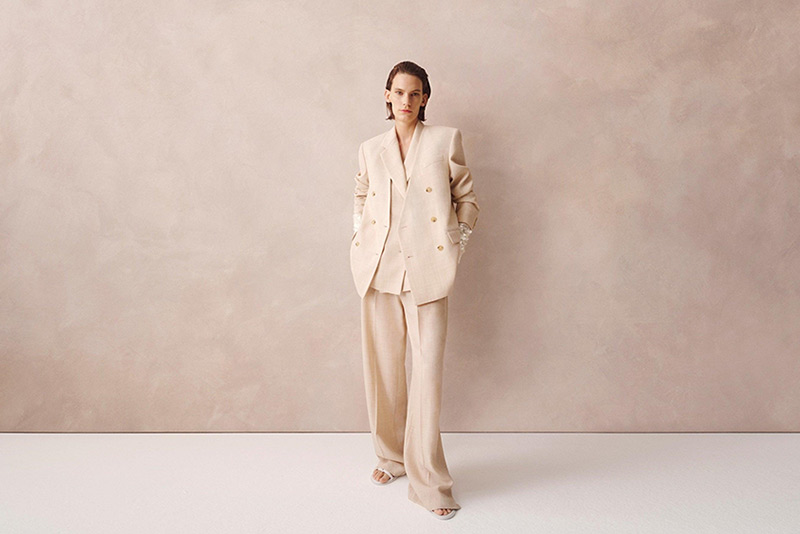
E-commerce Clothing Photography: A Guide for Fashion Brands
What Is E-commerce Clothing Photography?
E-commerce clothing photography is the professional process of photographing garments for online stores, fashion websites, digital catalogues and online marketplaces.
Its main purpose is to present clothing products clearly, consistently and attractively so customers can understand what they are buying.
Unlike editorial fashion photography, which often focuses on creative concepts and storytelling, e-commerce clothing photography prioritizes product clarity, accurate representation and consistency across a collection.

E-commerce Clothing Photography: A Guide for Fashion Brands
A professional clothing product photography shoot may include:
- Model photography showing how garments fit and look when worn.
- Ghost mannequin photography presenting the shape of clothing without a visible model.
- Flat lay photography showing garments arranged on a flat surface.
- Invisible mannequin photography for clean catalogue-style product images.
- Close-up images highlighting fabric, stitching, buttons and other details.
- Lifestyle images showing clothing in a real-world setting.
The right combination depends on the type of clothing, target audience, brand identity and sales platform.
Why Professional Clothing Photography Matters for Online Stores
When customers shop online, product images are among the first elements they evaluate. Clear and consistent photographs help them understand a product and decide whether it meets their expectations.
Professional e-commerce clothing photography supports fashion brands in several ways.
1. It Builds Customer Confidence
Customers want to know what a garment actually looks like before purchasing it. They need to see its shape, color, texture, proportions and important details.
Poor lighting, inaccurate colors or unclear product angles can create uncertainty. Professional photography helps present garments more accurately and gives shoppers a clearer understanding of the product.
2. It Creates a Consistent Brand Identity
An online clothing store should look like a unified collection rather than a series of unrelated product images.
Consistent backgrounds, lighting, framing, styling and image proportions create a recognizable visual identity. This is particularly important for brands selling multiple collections or hundreds of products.
A consistent photography style also makes a website look more professional and organized.
3. It Highlights Product Quality
Fabric texture, stitching, construction and finishing details can influence purchasing decisions.
Professional lighting and carefully selected camera angles help communicate these qualities. Close-up images can also show details that customers would normally examine when holding a garment in a physical store.
4. It Supports Marketing Across Multiple Channels
A well-planned clothing photoshoot can produce images for several marketing purposes.
The same production may provide:
- Main product images for an online store.
- Alternative product angles and detail photographs.
- Fashion campaign images.
- Social media content.
- Digital catalogues and wholesale presentations.
- Advertising visuals and promotional materials.
Planning these requirements before the shoot helps brands create more usable content from one production.
The Main Types of E-commerce Clothing Photography
There is no single photography style suitable for every fashion product. Different techniques serve different purposes, and professional brands often combine several approaches.
1. Model Photography
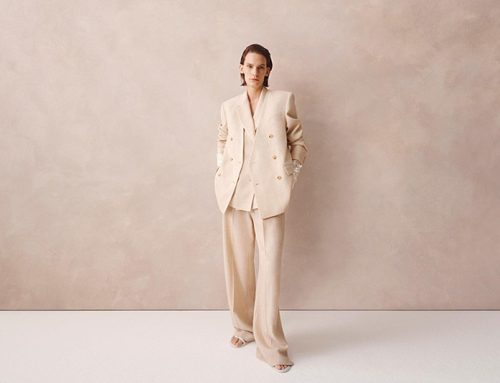
Model photography shows clothing worn by a real person. It helps customers understand how a garment fits, moves and looks on the body.
This approach is particularly effective for fashion brands selling dresses, shirts, trousers, jackets, sportswear and seasonal collections.
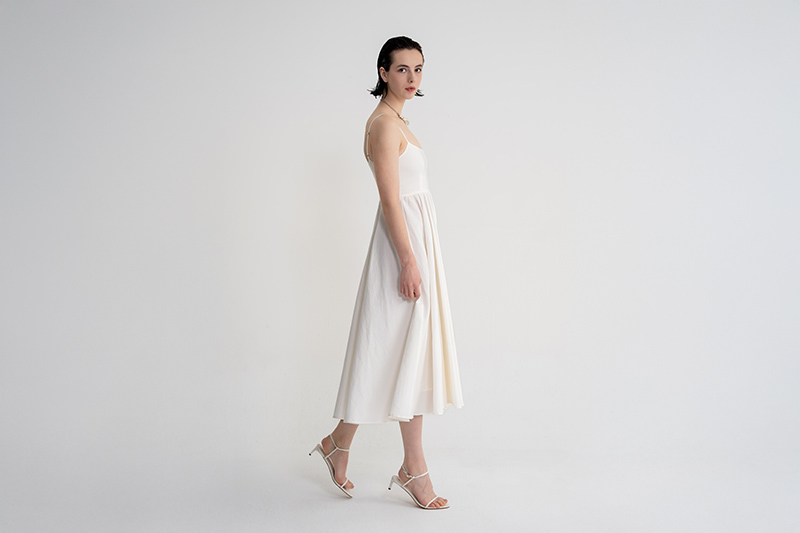
Advantages of model photography:
- Shows the fit and proportions of garments.
- Communicates styling and outfit combinations.
- Helps customers visualize how clothing can be worn.
- Creates opportunities for editorial and lifestyle images.
- Produces versatile content for e-commerce and social media.
Model photography is especially useful when the design, silhouette or fit of a garment is an important selling point.
For a professional result, the model, styling, lighting and background should support the brand’s visual identity rather than distract from the product.
2. Ghost Mannequin Photography
Ghost mannequin photography, also known as invisible mannequin photography, creates the appearance of clothing being worn without showing a person or mannequin.
The garment is photographed on a mannequin, which is removed during post-production. Additional photographs of the inside or back of the garment may be combined to create a natural three-dimensional appearance.
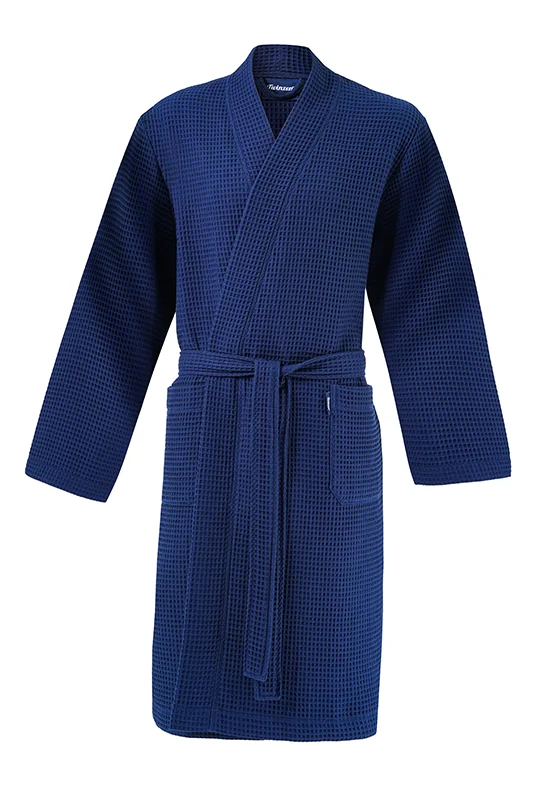
Ghost photoshoot for Amazon Brand Twinzen
Advantages of ghost mannequin photography:
- Keeps attention on the garment.
- Shows the shape and construction of clothing.
- Creates a clean and consistent catalogue appearance.
- Works well for shirts, jackets, dresses and knitwear.
- Provides a practical solution for large product collections.
Ghost mannequin photography is particularly suitable for brands that want a standardized product presentation across an online store.
3. Flat Lay Clothing Photography
Flat lay photography involves arranging garments on a flat surface and photographing them from above.
This technique is often used for T-shirts, knitwear, trousers, accessories and casual clothing.
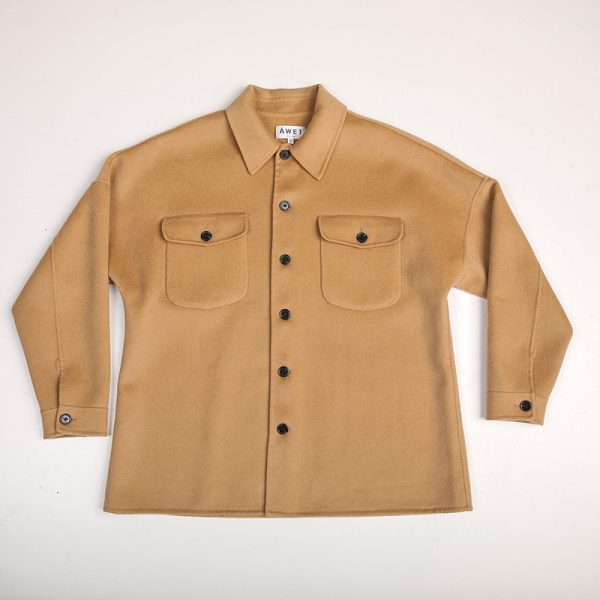
E-commerce clothing photography – Flat Lay
Advantages of flat lay photography:
- Does not require a model.
- Can be efficient for large product collections.
- Works well with simple backgrounds.
- Allows accessories and complementary products to be included.
- Creates a clean and organized product presentation.
However, garments must be carefully arranged and styled. Wrinkles, uneven positioning and inconsistent proportions can reduce the professional appearance of the final images.
4. Lifestyle Clothing Photography
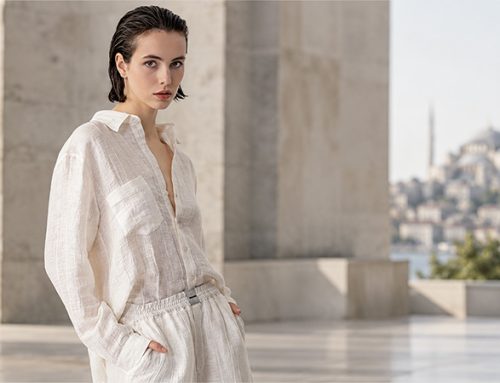
Lifestyle photography presents garments in a real or carefully designed environment.
Instead of showing only the product, it communicates how the clothing fits into a particular lifestyle.
For example, a summer fashion collection may be photographed outdoors in a Mediterranean setting, while an urban streetwear collection may use architectural backgrounds and city locations.
Advantages of lifestyle photography:
- Communicates brand personality.
- Creates an emotional connection with customers.
- Provides content for campaigns and social media.
- Shows clothing in a natural context.
- Helps differentiate a brand from competitors.
Lifestyle images are usually most effective when combined with clear product photographs rather than used as their only product representation.
5. Detail and Close-Up Photography
Detail photographs focus on specific elements of a garment, such as:
- Fabric texture and material.
- Buttons, zippers and fastenings.
- Stitching and seams.
- Prints, embroidery and patterns.
- Labels and finishing details.
These images help customers evaluate product quality and understand features that may not be visible in a full-length photograph.
For premium and designer clothing brands, detail photography can be particularly valuable.
Model Photography vs Ghost Mannequin vs Flat Lay
Choosing the right photography method depends on the product and the way a brand wants to present its collection.
| Photography Type | Best For | Main Advantage |
|---|---|---|
| Model Photography | Fashion collections, dresses, jackets, sportswear | Shows fit and styling |
| Ghost Mannequin | Shirts, jackets, dresses, trousers | Clean three-dimensional product presentation |
| Flat Lay | T-shirts, knitwear, casual clothing | Efficient and simple product display |
| Lifestyle Photography | Campaigns, seasonal collections, social media | Communicates brand identity |
| Detail Photography | Premium garments and textured fabrics | Highlights product quality |
Many fashion brands benefit from combining model photography with ghost mannequin or flat lay images.
For example, a clothing product page might include a front view on a model, a back view, a close-up of the fabric and a lifestyle photograph. This gives customers a more complete understanding of the product.
How to Plan a Professional Clothing Photoshoot
A successful clothing photoshoot starts before the camera is ready. Planning the collection, products, styling, production schedule and image requirements helps avoid unnecessary delays and inconsistent results.
Here are the main steps involved in organizing a professional e-commerce clothing photography production.
1. Prepare the Clothing Collection
Before the shoot, organize all garments by product type, color, size and collection.
Each item should be checked for:
- Wrinkles and creases.
- Loose threads and visible defects.
- Stains or dust.
- Missing buttons or accessories.
- Incorrect labels or tags.
- Consistency between product samples and final stock.
Steaming or ironing garments before photography is essential. Even small wrinkles can become highly visible in product images.
For larger collections, a product checklist helps the photography team track which items have been photographed and which still need attention.
2. Define the Photography Style
The visual style should reflect the brand’s positioning and target audience.
A premium fashion label may prefer clean studio images with carefully controlled lighting. A contemporary streetwear brand may choose a more dynamic visual style, while a minimalist clothing brand may prioritize neutral backgrounds and simple compositions.
Before production, define:
- Background colors.
- Lighting style.
- Camera angles.
- Model poses.
- Styling direction.
- Image dimensions and formats.
- Required photographs for each product.
A reference mood board is useful for communicating the desired result to the photographer, stylist and production team.
3. Select the Right Models
When model photography is required, model selection should reflect the brand’s target customer and collection.
Consider the following:
- Model measurements and clothing sizes.
- Age range and target audience.
- Experience in fashion or e-commerce shoots.
- Ability to follow posing direction.
- Compatibility with the brand’s visual identity.
For collections with different fits or target customer groups, more than one model may be necessary.
4. Prepare Styling and Accessories
Styling is an important part of clothing photography because it affects how customers perceive the product.
The styling team should make sure that garments are worn correctly and that their shape, proportions and design details are visible.
Accessories should support the clothing rather than distract from it.
For catalogue photography, styling should remain consistent across the collection. For campaign and lifestyle images, there may be more room for creative direction.
5. Set Up Lighting and Backgrounds
Lighting affects how fabric, color and texture appear in photographs.
For e-commerce clothing photography, lighting should reveal the garment clearly while maintaining natural-looking colors and details.
A professional studio setup may include:
- Large softboxes for even illumination.
- Reflectors to control shadows.
- Background systems for consistent product presentation.
- Separate lighting for the model and background when necessary.
White, grey and neutral backgrounds are common for catalogue photography. However, the best choice depends on the brand and the requirements of its sales channels.
6. Photograph Every Required Angle
A single image is rarely enough to communicate all the important features of a clothing product.
Depending on the garment, the photography plan may include:
- Front view.
- Back view.
- Side view.
- Three-quarter view.
- Full-length or waist-up model image.
- Fabric and construction details.
- Lifestyle or styled image.
The required number of photographs should be decided before production begins.
7. Retouch and Prepare the Final Images
Post-production is an essential part of professional clothing photography.
Editing may include:
- Exposure and white balance correction.
- Accurate color adjustment.
- Dust and small imperfection removal.
- Wrinkle reduction where appropriate.
- Background cleaning.
- Cropping and image alignment.
- Consistent sizing and export settings.
The objective is to improve the image while maintaining an accurate representation of the actual garment.
Over-editing should be avoided, especially when it changes the fabric texture, color or construction of the product.
How Many Photos Does Each Clothing Product Need?
The ideal number of photographs depends on the product category, sales platform and level of detail customers need to see.
For many online clothing stores, a practical starting point is approximately four to six images per product.
A typical product image set may include:
- Main front view.
- Back view.
- Side or alternative angle.
- Close-up of fabric or construction.
- Additional styling or model photograph.
- Lifestyle image, when relevant.
A simple T-shirt may need fewer images than a detailed jacket or a multi-piece outfit.
For premium collections, additional photographs can help communicate fabric quality, construction and styling options.
The most important principle is to provide enough visual information for customers to understand the product without unnecessary repetition.
E-commerce Clothing Photography for Shopify, Amazon and Other Marketplaces
Different e-commerce platforms may have different image requirements and presentation guidelines.
Fashion brands should check the current technical specifications of each platform before preparing their final images.
Shopify
Shopify allows merchants to add different types of product media, including images and videos.
For clothing brands, a product gallery can combine front and back views, model photographs, close-ups and lifestyle images.
Consistency in image dimensions, backgrounds and framing helps create a professional online store.
Official resource: Shopify Product Media and Photography
Amazon
Amazon product images must follow the platform’s current image requirements. Main product images and additional images may have different presentation rules.
Clothing sellers should pay particular attention to product visibility, background requirements, image quality and prohibited graphic overlays.
Official resource: Amazon Product Image Requirements
Other Online Marketplaces
Brands selling through multiple marketplaces should prepare a consistent master image library and adapt exports to each platform’s specifications.
This helps reduce repeated production work while maintaining a unified visual identity.
Always check the latest marketplace guidelines before uploading images, as technical requirements can change.
AI Tools and Background Replacement in Clothing Photography
Artificial intelligence is creating new possibilities for fashion brands and e-commerce photography.
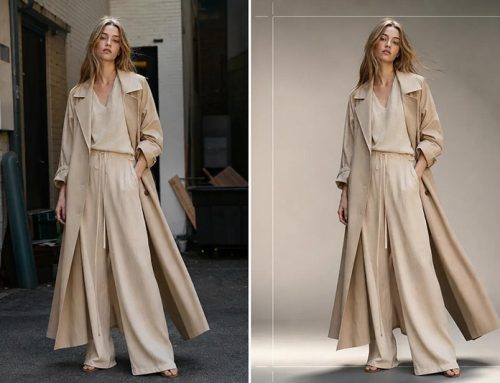
AI-powered tools can help replace backgrounds, create alternative visual environments and adapt existing photographs for different marketing purposes.
For example, a clothing product photographed against a simple studio background can be placed into a generated lifestyle setting or a more creative editorial environment.
Potential applications include:
- Creating alternative backgrounds for product images.
- Producing seasonal campaign variations.
- Generating lifestyle environments.
- Preparing social media visuals.
- Adapting images for different advertising concepts.
However, AI background replacement should not change the actual product.
Garment color, texture, proportions, stitching and design details must remain accurate. If AI changes these elements, the final image may misrepresent what the customer receives.
A reliable workflow starts with a professionally photographed garment and uses AI as a supporting tool for creative background variations.
Read more: AI Background Replacement for Clothing Product Photography
Common Mistakes in E-commerce Clothing Photography
Even attractive photographs can become ineffective when important product details are missing or inconsistent.
Here are some common mistakes fashion brands should avoid.
Inconsistent Backgrounds
Using different backgrounds and lighting styles across the same collection can make an online store look disorganized.
Establish a consistent visual direction before photographing the products.
Incorrect Clothing Colors
Color accuracy is particularly important in online fashion retail.
Incorrect white balance, mixed lighting or excessive editing can make garments look different from their actual appearance.
Use consistent lighting and a calibrated editing workflow where possible.
Poor Garment Preparation
Wrinkles, uneven collars, twisted sleeves and poorly positioned clothing can make even expensive garments look unprofessional.
Prepare every item before photography and check its appearance during the shoot.
Missing Product Details
A front-facing image may not show important details such as fabric texture, buttons, pockets or the back of a garment.
Include additional angles and close-up photographs when they provide useful information.
Overusing Creative Effects
Creative backgrounds and visual effects can support a brand’s identity, but they should not make it difficult to understand the actual product.
Keep the main product images clear and use more creative photographs as additional content.
Using AI Without Checking Product Accuracy
AI-generated backgrounds can be useful, but generated details may sometimes affect garment edges, textures or proportions.
Always inspect the final image carefully before publishing it.
Why Fashion Brands Work with Professional Photographers
Producing a consistent clothing collection requires more than taking individual photographs.
A professional fashion photographer understands how to work with garments, models, lighting, styling, visual direction and post-production.
For fashion brands, working with an experienced photographer can help coordinate the complete visual production process.
This may include:
- Understanding the brand’s visual identity.
- Planning the photography concept.
- Organizing models and styling.
- Preparing the studio or shooting location.
- Photographing the collection.
- Managing image selection and retouching.
- Delivering organized files for e-commerce and marketing use.
For brands producing clothing in Turkey, working with a local photography partner can also make communication and production coordination easier.
Organizing an E-commerce Clothing Photoshoot in Turkey
Turkey is an established center for textile and apparel manufacturing, making it a practical production location for fashion brands that source clothing from the country.
Brands working with Turkish manufacturers may also need professional product photography, fashion lookbooks, campaign images and digital content for international markets.
Organizing photography production in Turkey can help connect clothing manufacturing with the visual content required for online sales.
Depending on the project, production may take place in Istanbul, Antalya or another suitable location.
A professional photography production can include:
- E-commerce clothing photography.
- Model and catalogue photography.
- Ghost mannequin and flat lay photography.
- Fashion lookbook production.
- Campaign photography and short videos.
- Product detail and lifestyle images.
The production setup depends on the number of products, collection size, model requirements, styling, location and delivery schedule.
Fashion Photography Production for International Brands
I work with fashion and commercial photography projects, combining product presentation with fashion-oriented visual production.
My experience includes fashion, product and commercial photography, with a focus on creating professional visual content for brands and businesses.

Photoshoot for Awet NYC
For international fashion brands and clothing manufacturers, the production process can be planned around the collection, target market and intended use of the images.
Whether you need clean catalogue photographs, model-based e-commerce images or a complete fashion collection shoot, the first step is to define the products, visual direction and production requirements.
Explore my fashion photography services in Turkey to learn more.

Frequently Asked Questions About E-commerce Clothing Photography
What is the best type of photography for online clothing stores?
Model photography is useful for showing fit and styling, while ghost mannequin and flat lay photography provide clean product-focused images. Many clothing brands combine these methods to create complete product galleries.
How many photos should each clothing product have?
Four to six images per product can be a useful starting point. The exact number depends on the garment, its details and the requirements of the online store.
Is model photography better than ghost mannequin photography?
Neither method is universally better. Model photography shows how clothing fits and looks when worn, while ghost mannequin photography focuses on the garment’s shape and construction. The best choice depends on the brand and product category.
What background is best for clothing product photography?
White and neutral backgrounds are commonly used for clean catalogue images. Lifestyle and editorial backgrounds can be useful for additional brand content, provided that the product remains clearly visible.
Can AI replace professional clothing photography?
AI can support background replacement and creative image production, but it does not replace the need for accurate product photography. A real photograph provides a reliable reference for the garment’s color, texture, shape and construction.
Can clothing brands organize photoshoots in Turkey?
Yes. International brands can organize clothing and e-commerce photography productions in Turkey, including model photography, product catalogues, lookbooks and campaign content. The production plan depends on the collection, location, models and project requirements.
What should a brand prepare before a clothing photoshoot?
Brands should prepare the clothing samples, product list, size information, visual references, styling requirements and a list of required photographs. This makes the production process more efficient and helps maintain consistency.
What is the difference between fashion photography and e-commerce clothing photography?
Fashion photography often focuses on creative storytelling, mood and brand identity. E-commerce clothing photography prioritizes product clarity, accurate representation and consistent presentation for online shopping. A professional production can combine both approaches.
Conclusion: Build a Stronger Online Store with Professional Clothing Photography
E-commerce clothing photography is an important investment for fashion brands that want to present their collections professionally and build customer confidence online.
The right combination of model photography, ghost mannequin images, flat lays, detail photographs and lifestyle content helps customers understand products while creating a consistent visual identity.
For brands working with clothing manufacturers in Turkey, professional photography production can also connect the manufacturing process with the visual content needed for international e-commerce and marketing.
A well-planned photoshoot does more than produce attractive images. It creates a reusable visual library that supports online stores, digital catalogues, social media and future marketing campaigns.
Planning an e-commerce clothing photoshoot in Turkey?
If your fashion brand needs professional product photography, model photography or a complete clothing collection shoot, get in touch to discuss your project, collection size and production requirements.

Leave A Comment