
In today’s fast-growing ecommerce market, your product photos are more than just pictures — they are your most powerful sales tool. Buyers rely heavily on clear, professional product images to decide whether to trust your brand and make a purchase. This is especially true for Shopify sellers, Amazon brands, and Etsy creators competing in a saturated marketplace.

Product Photography: The Ultimate Guide Product Photography: The Ultimate Guide for Ecommerce Brands Ecommerce Brands
This comprehensive 2025 guide will walk you through the essential steps of product photography: the equipment you need, lighting techniques, shooting tips, post-processing workflows, and even how international brands benefit from outsourcing to professional photographers in Turkey.
What Is Product Photography and Why Is It Important?
Product photography refers to the art and science of photographing products to present them appealingly and informatively to potential customers. High-quality images build trust, reduce returns, and increase conversion rates. According to industry research, listings with professional photos can sell up to 70% more than those with amateur images.
Your photos should answer common questions visually, showcase the product’s features, and evoke the lifestyle or emotion your brand represents.
Types of Product Photography
1. White Background Product Photography
Most common in Amazon and Shopify listings, this style features the product against a plain white background. It highlights the product clearly without distractions, meeting many marketplace requirements.
2. Lifestyle Photography
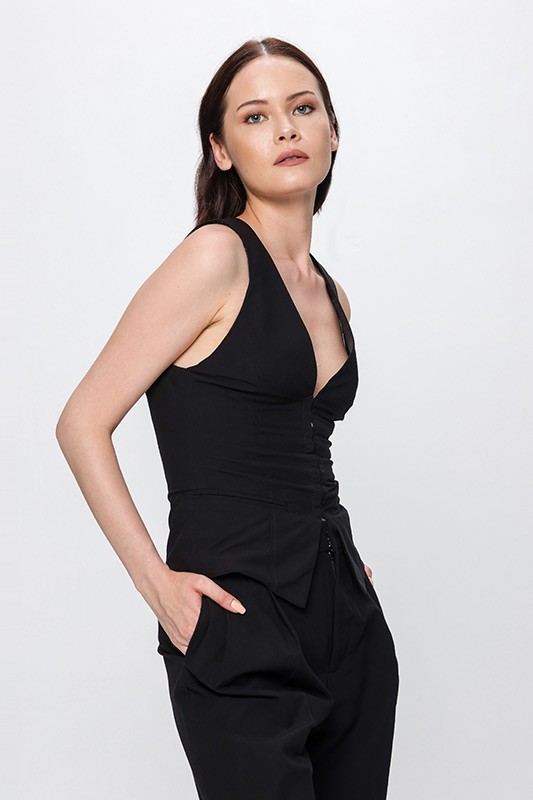
This style places the product in a real-life context with models or complementary props, helping customers imagine how they might use the item. It’s popular on Etsy and social media platforms.
3. Flat Lay Photography
Objects are arranged and photographed from above, commonly used for fashion, jewelry, and food photography.
4. Detail Shots
Close-ups focusing on textures, materials, or specific product features to highlight craftsmanship or unique elements.
5. 360° Product Photography
Interactive images that allow users to rotate the product view, increasing buyer confidence and engagement.
6. Scale Comparison Photography
Including an everyday object, like a hand or coin, to show product size helps reduce confusion and returns.
Essential Equipment for Product Photography
-
Camera: A DSLR or mirrorless camera (Canon EOS R, Sony A7 III) offers superior quality, but modern smartphones (iPhone 15 Pro, Google Pixel 8) with manual controls can also work.
-
Tripod: Ensures stable, sharp images by eliminating camera shake.
-
Lighting: Softboxes, ring lights, or natural window light to create even, diffused lighting.
-
Backgrounds: White sweeps, vinyl sheets, or textured backdrops depending on style.
-
Reflectors and Diffusers: Help control and soften shadows.
-
Editing Software: Adobe Lightroom and Photoshop for post-production.
-
Dedicated Surface: A consistent tabletop or platform maintains uniformity across shoots.
Lighting Techniques for Stunning Product Photos
Lighting can make or break your photos. Use these strategies to ensure your products shine:
-
Use diffused lighting to avoid harsh shadows and reflections.
-
Shoot during the golden hour when natural light is soft and warm.
-
Utilize light tents or softboxes to evenly illuminate small to medium products.
-
Use reflectors to fill shadows opposite your light source.
-
Adjust the angle of light to reveal textures without glare.
Composition and Shooting Tips
-
Capture multiple angles: front, back, side, and close-ups.
-
Apply the rule of thirds to balance your compositions.
-
Show scale using hands or common objects for reference.
-
Highlight unique selling points, such as intricate details or packaging.
-
Leave space in the frame for potential text overlays in marketing materials.
Editing and Post-Processing Workflow
Editing refines your images for maximum impact:
-
Adjust exposure, contrast, and color balance for accuracy.
-
Remove dust, scratches, and imperfections.
-
Crop and resize according to platform guidelines (e.g., 2000×2000 px for Amazon).
-
Export optimized formats like JPEG or WebP for web performance.
-
Develop a Lightroom preset to maintain consistency across product images.
SEO tip: Name your files descriptively (e.g., silver-necklace-closeup.jpg) and add alt-text for better search engine visibility.

Platform-Specific Product Photography Requirements
Amazon
-
Pure white background (#FFFFFF) mandatory for main images.
-
Minimum 1000 pixels on the longest side.
-
No logos, watermarks, or text overlays.
-
Product must fill 85% of the frame.
Shopify
-
Consistency in lighting and sizing is key.
-
Combination of white background and lifestyle images recommended.
-
Proper alt tags and SEO-friendly file names enhance search ranking.
Etsy
-
More creative freedom with backgrounds and styling.
-
Square images preferred to maximize screen space.
Why International Brands Are Outsourcing Product Photography to Turkey
Turkey has emerged as a hub for affordable, high-quality product photography that caters to international ecommerce brands. Here’s why:
-
Competitive Pricing: Studios offer rates 30–50% lower than Western countries.
-
Professional Quality: Access to experienced photographers, stylists, and studios.
-
Fast Turnaround: Most projects deliver final images within 5–7 days post product arrival.
-
Natural and Urban Backdrops: Turkey’s diverse locations add unique lifestyle shots.
-
Multilingual Support: Smooth communication for international clients.
This model is especially attractive for Shopify and Etsy sellers aiming to scale without inflating their marketing budgets.
How Does Ship-to-Turkey Product Photography Work?
-
Send Your Products: Use international couriers like DHL, UPS, or Aramex to ship your inventory.
-
Creative Planning: Collaborate on moodboards, shot lists, and styling preferences.
-
Photoshoot: Products are professionally photographed in studio or on location.
-
Editing: Retouching and post-processing ensure polished images.
-
Delivery: High-resolution images are delivered digitally via secure platforms like Google Drive or WeTransfer.
-
Optional Return: Products can be returned or donated locally.
SEO Tips for Your Product Photography Web Pages
-
Use relevant keywords in titles, meta descriptions, headers, and image alt texts.
-
Structure content with clear H1, H2, and H3 tags.
-
Implement schema markup to help search engines understand your images and services.
-
Interlink blog posts, portfolio pages, and service offerings to improve user engagement and SEO.
-
Optimize image size and format for fast page loading.
Conclusion: Elevate Your Brand with Professional Product Photography
In ecommerce, your product images often serve as the decisive factor between browsing and buying. High-quality, consistent, and platform-optimized photos foster trust, highlight your product’s value, and help your brand stand out.
Outsourcing your photography to expert studios in Turkey offers a strategic advantage—combining affordability, professionalism, and quick delivery. Whether you’re launching your first Shopify store or scaling an international brand, investing in premium product photography is a proven path to increased sales.
Ready to transform your product images and boost your online sales?
Contact Us Today for a personalized quote
-
E‑posta: umurdilek@gmail.com
- GSM: +90 532 366 7786
- Whatsapp: https://api.whatsapp.com/send/?phone=905323667786
- Telegram: https://t.me/umurdilek
Follow our latest work on Instagram: @umurdilekphoto
Explore our global client portfolio: Product Photography Portfolio





Leave A Comment