
Ghost Mannequin vs Model Photography: Which Is Better for Clothing Brands?
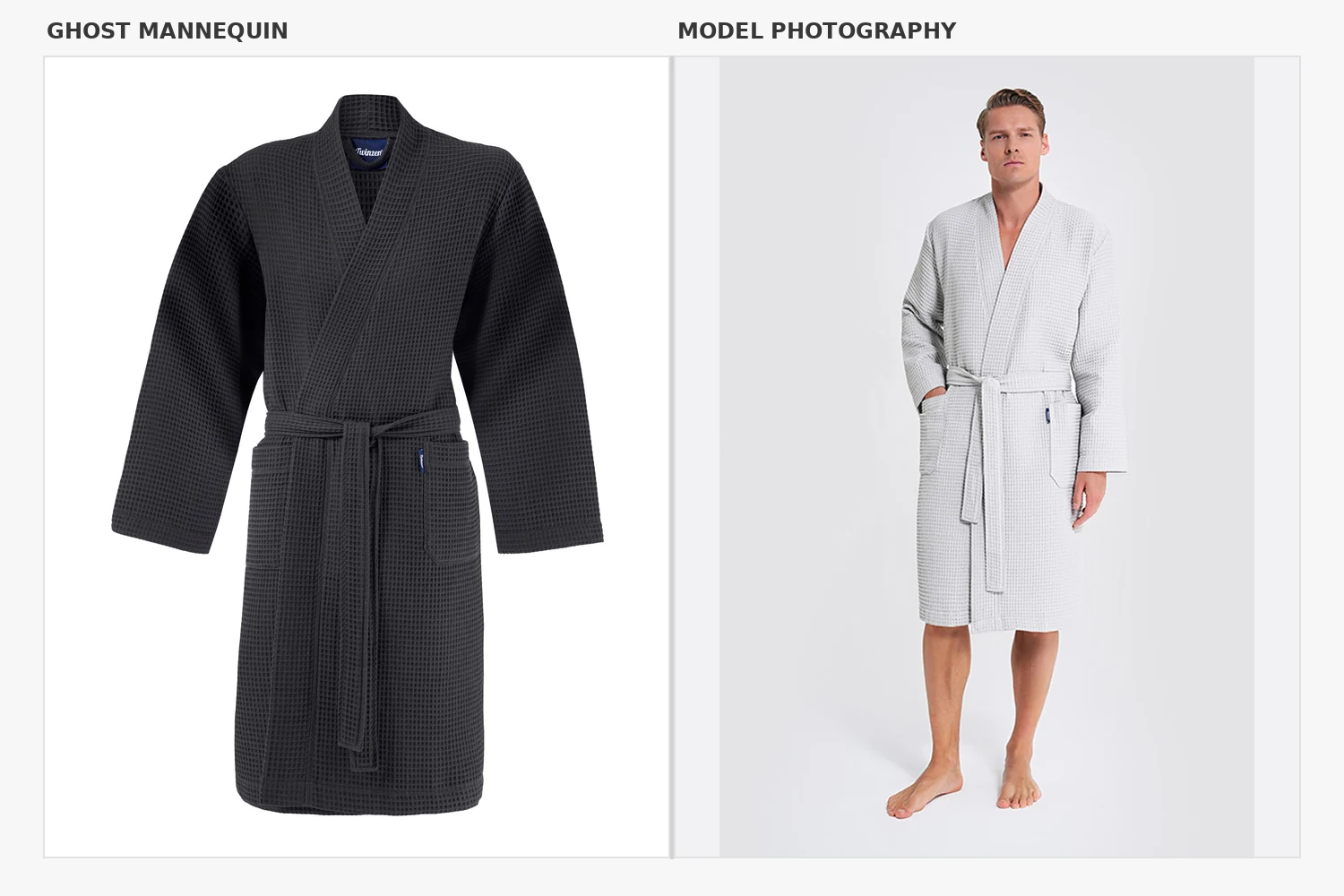
Ghost Mannequin vs Model Photography is an important decision for clothing brands planning their product photography. Both methods present garments professionally, but they serve different purposes. Ghost mannequin photography focuses on the garment’s shape, construction and details, while model photography shows how clothing fits, moves and looks on a real person.
For fashion brands selling online, choosing the right photography style affects product presentation, brand identity, production costs and the overall shopping experience.
So, which method should your clothing brand choose?
The answer depends on your products, target customers, budget and how you plan to use your images. In this guide, we will compare both methods, explain their advantages and disadvantages, and help you decide which approach is more suitable for your collection.
1. What Is Ghost Mannequin Photography?
Ghost mannequin photography, also known as invisible mannequin or hollow mannequin photography, is a technique used to photograph clothing without showing the mannequin in the final image.
The garment is photographed on a mannequin, which is later removed during post-production. Additional photographs of the garment’s interior, such as the neck or inner collar, may be combined with the main image to create a natural-looking result.
The final photograph makes the clothing appear as if it is being worn by an invisible person.
How Does Ghost Mannequin Photography Work?
A typical ghost mannequin production involves several steps:
- Garment preparation: The clothing is steamed, arranged and fitted properly on a mannequin.
- Main photograph: The front or back of the garment is photographed with consistent lighting and framing.
- Additional photographs: Interior sections, such as the neckline, are photographed separately when necessary.
- Mannequin removal: The mannequin is removed from the images during post-production.
- Image compositing: The necessary garment sections are combined to create a realistic hollow effect.
- Final retouching: Wrinkles, dust, colour inconsistencies and unwanted details are corrected.
The quality of the final image depends on both the photography and the editing process. A poorly fitted garment or incorrect lighting can make the final result look unnatural, even with advanced retouching.
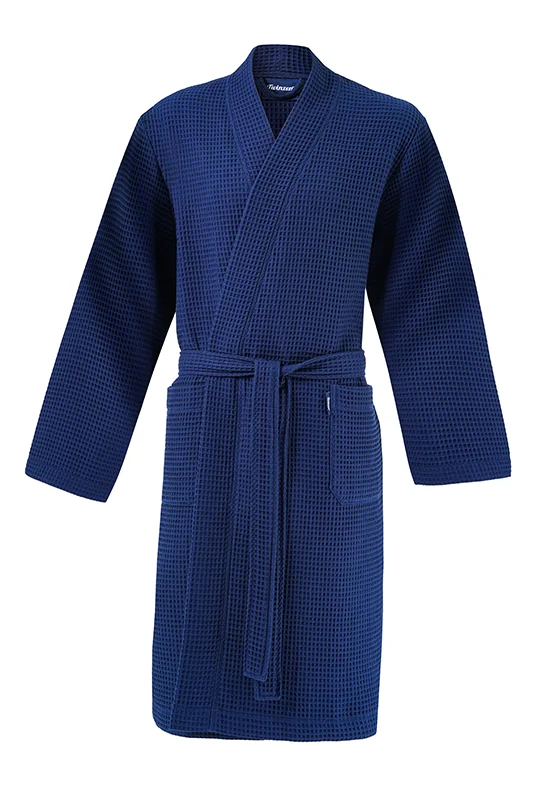
Ghost photoshoot for Amazon Brand Twinzen
Advantages of Ghost Mannequin Photography
1. Consistent Product Presentation
Ghost mannequin photography creates a clean and standardised appearance across a clothing collection. This is particularly useful for brands with many products or colour variations.
2. Focus on the Garment
Without a visible model, customers can concentrate on the clothing itself. Details such as collars, sleeves, seams, fabric texture and construction become more prominent.
3. Suitable for Large E-commerce Collections
Once the lighting, camera position and mannequin setup are established, the same workflow can be repeated across many products.
This makes ghost mannequin photography a practical option for brands producing large catalogues.
4. No Model Booking Required
The production does not require a live model. This can reduce casting, model booking and styling expenses, although specialised photography and retouching are still necessary.
5. Consistent Visual Identity
A standardised ghost mannequin setup helps maintain a uniform look across product pages, online stores and wholesale catalogues.
Disadvantages of Ghost Mannequin Photography
Ghost mannequin photography also has limitations.
- Post-production requirements: Removing the mannequin and reconstructing hidden garment sections requires careful editing.
- Limited styling possibilities: It does not communicate the same lifestyle or fashion identity as a model photograph.
- Less information about real fit: Customers cannot see how the garment fits different body shapes or moves when worn.
- Not suitable for every garment: Some delicate, oversized, flowing or highly structured garments can be difficult to present naturally.
- Editing quality matters: Poor compositing can create distorted collars, unnatural openings or unrealistic garment shapes.
Ghost mannequin photography is most effective when the main objective is to present the product clearly and consistently.
2. What Is Model Photography?
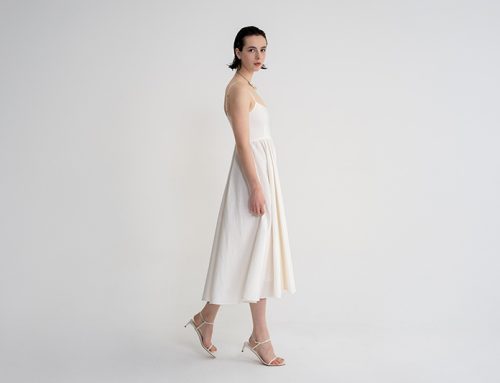
Model photography, also called on-model clothing photography, presents garments worn by real people.
Instead of showing clothing on an invisible mannequin, this method demonstrates how a garment looks on the human body. It communicates fit, proportions, styling, movement and the overall appearance of an outfit.
Model photography is widely used for fashion e-commerce, lookbooks, advertising campaigns and brand storytelling.

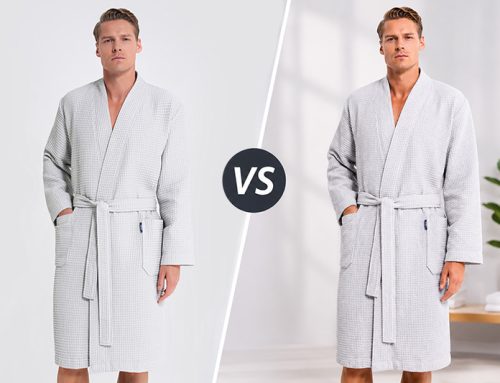
Bathrobe Photo Shoot – Twinzen E-commerce Photography
How Does Model Photography Work?
A professional model photography production usually includes:
- Model selection: Choosing a model who matches the brand’s target audience and collection.
- Styling and preparation: Preparing outfits, accessories, hair and makeup.
- Lighting and composition: Setting up the lighting, camera angles and background.
- Model direction: Guiding poses, expressions and movements to present the clothing effectively.
- Photography: Capturing full-length, medium and detail photographs.
- Post-production: Correcting colour, refining details and retouching the selected images.
The process can take place in a professional studio or on location, depending on the brand’s creative direction.
Advantages of Model Photography
1. Shows Real Garment Fit
Customers can see how clothing fits on a person, including proportions, length, shape and how the fabric falls.
This is especially useful for dresses, trousers, jackets and other garments where fit is an important purchasing consideration.
2. Communicates Style and Personality
Model photography presents more than the product. It communicates the brand’s visual identity, styling approach and intended audience.
3. Creates More Engaging Images
A model can introduce movement, expression and emotion into a photograph. This makes the images suitable for campaigns, social media and promotional content.
4. Supports Brand Storytelling
Brands can use models, styling, locations and creative direction to build a recognisable visual identity.
5. Versatile Content Production
A single model photoshoot can produce several types of content, including product images, lookbook photographs, campaign visuals and short videos.
Disadvantages of Model Photography
- Higher production requirements: Model fees, styling, hair and makeup may increase the total budget.
- More preparation: Casting, scheduling, garment preparation and styling require coordination.
- Consistency challenges: Maintaining identical poses, framing and lighting across a large collection can be more demanding.
- Time requirements: Changing outfits and preparing models can make high-volume catalogue production slower.
- Different body proportions: The same garment may look different depending on the model’s body shape and measurements.
Model photography is particularly valuable when the brand wants to communicate how clothing looks in real life and create a stronger emotional connection with customers.
3. Ghost Mannequin vs Model Photography: Key Differences
Both methods can produce professional clothing images, but their strengths are different.
| Comparison | Ghost Mannequin Photography | Model Photography |
|---|---|---|
| Main purpose | Show garment shape and construction | Show fit, styling and appearance on a person |
| Visual style | Clean and product-focused | Human and lifestyle-oriented |
| Model required | No | Yes |
| Styling requirements | Usually limited | Often more extensive |
| Post-production | Mannequin removal and compositing | Colour correction and fashion retouching |
| Consistency | Easier to standardise across large catalogues | Requires more control and direction |
| Production scale | Suitable for high-volume catalogues | Better suited to selected products and creative collections |
| Brand storytelling | Limited | Strong |
| Garment fit presentation | Shows garment structure | Shows how the garment fits a real person |
| Typical applications | E-commerce product pages and catalogues | E-commerce, lookbooks and campaigns |
The main difference is the information each photograph communicates.
Ghost mannequin photography focuses on the product itself. Model photography adds the human context that helps customers understand how the garment looks when worn.
4. Which Photography Method Is Better for E-commerce?
There is no universal winner. The best option depends on the type of clothing, the number of products and the expectations of your customers.
Ghost Mannequin Photography for E-commerce
Ghost mannequin photography is particularly useful for:
- Shirts and blouses
- Jackets and coats
- Blazers
- T-shirts and basic tops
- Dresses with defined structure
- Uniforms and workwear
- Large clothing collections
It provides a consistent product presentation and allows customers to inspect garment details without visual distractions.
For brands with hundreds of products, this consistency can make catalogue management easier.
Model Photography for E-commerce
Model photography is particularly useful for:
- Dresses and eveningwear
- Sportswear and activewear
- Jeans and trousers
- Resortwear and beachwear
- Fashion collections with distinctive styling
- Clothing where fit and proportions are important
It helps customers understand how a garment looks on a person and how different pieces can be styled together.
For fashion brands that sell an identity or lifestyle as well as clothing, model photography can be an important part of the visual strategy.
5. Ghost Mannequin vs Model Photography: Which Is More Affordable?
Cost is an important consideration when planning clothing photography, especially for brands with large collections.
However, comparing the two methods only by their initial shooting costs can be misleading. The total production budget includes preparation, photography, editing and final image requirements.
Ghost Mannequin Photography Costs
Ghost mannequin production may reduce expenses related to model casting, model fees and some styling requirements.
However, it still requires:
- Professional photography equipment
- Suitable mannequins
- Garment preparation
- Consistent lighting
- Additional photographs for hidden sections
- Mannequin removal and image compositing
- Final retouching
For large collections, a standardised workflow can make the cost per product more manageable.
Model Photography Costs
Model photography may involve additional production expenses, such as:
- Model booking
- Hair and makeup
- Fashion styling
- Photography assistant
- Studio or location rental
- Garment preparation
- Post-production and retouching
The budget depends on the number of models, outfits, shooting hours and final images required.
How to Compare the Total Cost
Instead of asking which method is always cheaper, compare the complete cost of producing the images you need.
| Cost factor | Ghost Mannequin | Model Photography |
|---|---|---|
| Model fee | Not required | Usually required |
| Styling | Limited in many projects | Often required |
| Photography setup | Required | Required |
| Specialised retouching | Mannequin removal and compositing | Fashion retouching |
| Production coordination | Required | Usually more extensive |
| Large catalogue workflow | Highly standardisable | Requires more scheduling |
For a large product catalogue, ghost mannequin photography may be more economical. For a smaller collection where presentation and brand identity are important, model photography may provide greater value.
The right choice should be based on the complete production budget and the purpose of the images.
6. Which Method Is Better for Different Clothing Brands?
Different brands have different product presentation requirements. The most suitable method depends on what customers need to see before making a purchase.
High-Volume E-commerce Brands
Brands selling hundreds of clothing styles often need consistent images that can be produced efficiently.
Ghost mannequin photography is a practical choice for the main product catalogue because it creates a repeatable visual format.
Selected model photographs can then be added to show fit and styling.
Premium and Designer Fashion Brands
Premium fashion brands often place greater importance on creative presentation and brand identity.
Model photography allows designers to communicate the character of their collections through styling, poses, lighting and locations.
Ghost mannequin images can still be used for detailed product pages.
Clothing Manufacturers and Wholesalers
Manufacturers and wholesalers often need clear images for buyers, distributors and online catalogues.
Ghost mannequin photography can be particularly useful because it presents products in a consistent format across large collections.
For manufacturers selling to international buyers, a combination of ghost mannequin images and selected model photographs can provide both product clarity and visual appeal.
Sportswear and Activewear Brands
For sportswear, model photography is especially valuable because it shows how garments fit and move during physical activity.
Ghost mannequin photography can complement these images by showing product construction, fabric details and design features.
Modest Fashion and Occasionwear Brands
For modest fashion, eveningwear and occasionwear, model photography can demonstrate garment proportions, layering, movement and styling.
Ghost mannequin images can provide additional product-focused views, particularly for online catalogues.
7. Can You Use Both Ghost Mannequin and Model Photography?
Yes. For many clothing brands, using both methods is the most effective solution.
Rather than choosing only one photography style, brands can create a product photography strategy that combines the strengths of each approach.
A hybrid photography workflow might include:
- Ghost mannequin photographs for the main product catalogue.
- Model photographs to show fit and styling.
- Close-up photographs to highlight fabric and construction.
- Lifestyle images for social media and marketing.
- Campaign photographs for seasonal promotions and brand storytelling.
This approach gives customers different types of visual information throughout their shopping journey.
For example, a clothing brand selling a new jacket collection could use:
- A ghost mannequin photograph to show the jacket’s shape.
- A model photograph to demonstrate how it fits when worn.
- A close-up photograph to show the fabric and stitching.
- A lifestyle image to communicate the brand’s visual identity.
Each image has a specific purpose, and together they create a more complete product presentation.
8. How to Choose the Right Photography Style for Your Collection
Before organising a photoshoot, consider these questions:
1. How many products do you need to photograph?
Large collections may benefit from a standardised ghost mannequin workflow. Smaller collections may allow more time for model photography and creative styling.
2. How important is fit presentation?
If customers need to understand how clothing looks on a real body, model photography is essential.
3. What is your brand positioning?
A minimal catalogue-focused brand may prefer ghost mannequin images. A fashion label built around lifestyle, personality and styling may need more model photography.
4. What is your production budget?
Consider all costs, including models, styling, studio rental, photography and post-production.
5. Where will you use the photographs?
Product pages, wholesale catalogues, advertising campaigns and social media may require different image formats.
6. Do you need photography for multiple channels?
If you need e-commerce images, campaign photographs and short videos, a combined production may be more efficient.
9. Professional Clothing Photography: Why Production Quality Matters
Regardless of the method you choose, the quality of the final photographs depends on more than the camera or the editing software.
Garment preparation, lighting, composition, colour accuracy and post-production all influence the final result.
For ghost mannequin photography, the garment must be fitted correctly on the mannequin, and the hidden sections must be reconstructed naturally.
For model photography, the model’s pose, garment styling and lighting must work together to present the clothing accurately.
Professional post-production is also important. Colours should remain consistent with the actual garments, fabric details should be preserved, and retouching should not distort the product.
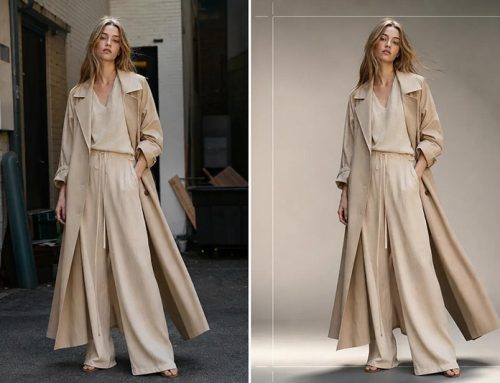
If you are interested in how artificial intelligence can support clothing image production, read my guide to AI Background Replacement for Clothing Photography.
For a broader overview of product image formats, equipment and workflows, see my Product Photography Guide for E-commerce Brands.
10. Professional Clothing Photography Production in Turkey
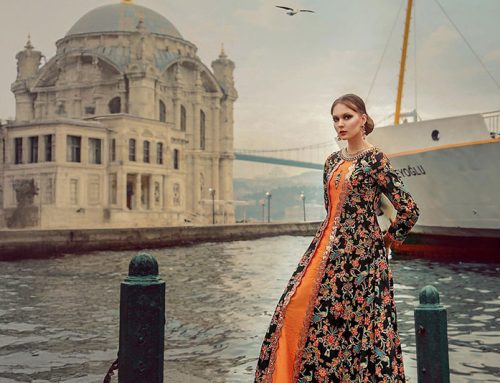
Turkey is an established location for textile manufacturing and fashion production. International clothing brands working with Turkish manufacturers can also organise professional product photography and fashion content production locally.
Depending on the project, production can include:
- Ghost mannequin photography
- Model photography
- E-commerce clothing photography
- Fashion lookbooks
- Catalogue production
- Fashion campaign photography
- Product detail photography
- Short fashion videos
The production setup can be adapted to the size of the collection, the brand’s visual identity and the intended use of the images.
I provide fashion and commercial photography services for clothing brands, designers and manufacturers. You can explore my fashion photography portfolio and learn more about my fashion photography services.
For projects requiring a broader team and production coordination, visit my Photography and Production services.

Frequently Asked Questions
Is ghost mannequin photography better than model photography?
Neither method is better for every situation. Ghost mannequin photography is useful for presenting garment shape and construction consistently, while model photography shows real fit, proportions and styling. Many clothing brands benefit from using both.
Is ghost mannequin photography cheaper?
It can be more economical for large collections because it does not require model bookings. However, mannequin removal, image compositing and retouching still require time and expertise. The total cost depends on the production workflow and number of products.
Does ghost mannequin photography show how clothes fit?
It shows the garment’s three-dimensional shape and structure, but it does not show how the clothing fits a real person’s body. Ghost Mannequin vs Model Photography; Model photography is more suitable when customers need to see actual fit and proportions.
What is the difference between ghost mannequin and invisible mannequin photography?
There is no major difference. Ghost mannequin photography and invisible mannequin photography refer to the same technique: photographing clothing on a mannequin and removing the mannequin during post-production.
Can ghost mannequin photography be used for all types of clothing?
It works well for many structured garments, including shirts, jackets, blazers and dresses. However, some flowing, delicate or highly detailed garments may be more difficult to photograph convincingly using this method.
How many photographs should an e-commerce clothing product have?
The number depends on the garment and the information customers need. A product may require front, back, side and detail photographs. Model images can be added to show fit and styling. The goal is to provide enough visual information without unnecessary repetition.
Can AI create ghost mannequin photography ?
AI tools can assist with mannequin removal, image editing and background adjustments. However, accurate garment shape, fabric texture, proportions and hidden details still require careful image capture and quality control. AI-generated results should always be checked against the actual product.
Should clothing brands use ghost mannequin photography for Amazon and Shopify?
Ghost mannequin images can be useful for product listings on e-commerce platforms, provided the final images meet the relevant platform’s image requirements. Brands should check the current image specifications of each marketplace before preparing their product photographs.
Conclusion: Which Photography Method Should Your Clothing Brand Choose? Ghost Mannequin vs Model Photography?
The choice between Ghost Mannequin vs Model Photography depends on the purpose of your images.
Ghost mannequin photography is an effective solution for consistent product presentation, large catalogues and detailed garment views. Model photography is more suitable for showing fit, movement, styling and brand identity.
For many clothing brands, the strongest strategy is not to choose one method exclusively. Combining ghost mannequin images with selected model photographs creates a more complete visual presentation for e-commerce and marketing.
If you are planning a clothing photography project and need help choosing the right production method, contact me to discuss your collection, photography requirements and production options.
Umur Dilek
Fashion Photographer | Turkey

Leave A Comment