
Personal Branding Photography: How to Prepare for Your Photoshoot
Personal Branding Photography is an important investment in how people see and connect with your professional identity. Whether you are an entrepreneur, business owner, consultant, coach, executive, or content creator, professional photographs help communicate your personality, expertise, and the values behind your work.
Your personal brand is more than a logo, website, or social media profile. It is the impression people form when they see you, learn about your work, and interact with your business. Well-planned photographs help create a consistent and recognizable visual identity across your website, LinkedIn profile, social media channels, press features, and marketing materials.
A successful personal branding photoshoot does not simply produce attractive portraits. It creates a collection of images that represent who you are and how you want to be perceived professionally.
In this guide, you will learn how to prepare for your photoshoot, choose the right outfits and locations, plan your visual style, and feel more comfortable in front of the camera.
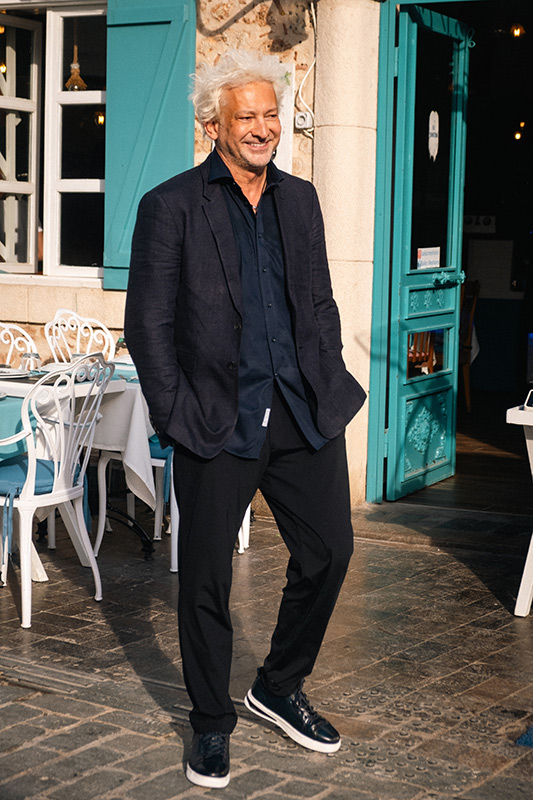
1. Define Your Personal Brand Before the Photoshoot
Before choosing clothes or locations, take some time to understand what your photographs should communicate.
Think about how you want potential clients, customers, employers, or business partners to perceive you.
For example:
- A business consultant may want to communicate confidence, experience, and reliability.
- A creative entrepreneur may prefer a more relaxed, expressive, and contemporary visual style.
- A lawyer or financial advisor may need a professional and trustworthy appearance.
- A fitness coach may want to communicate energy, discipline, and an active lifestyle.
- A designer or artist may prefer photographs that express creativity and individuality.
Your photographs should reflect both your professional role and your personality.
Ask yourself these questions before the session:
- Who is my target audience?
- What services or expertise do I want to communicate?
- What qualities should people associate with my personal brand?
- Where will I use these photographs?
- Do I want my images to look formal, creative, approachable, or editorial?
Having clear answers will help your photographer plan the lighting, locations, outfits, poses, and overall visual direction.
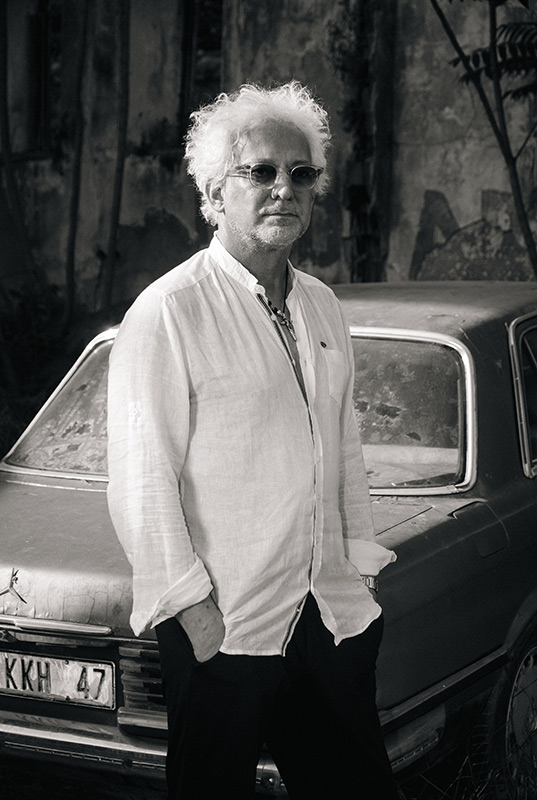
2. Decide Where You Will Use Your Photographs
A personal branding photoshoot should be planned around the platforms and materials where the images will appear.
Different platforms often require different types of photographs.
Website and About Me page: Choose natural portraits that introduce you and communicate your professional identity. Include both close-up and wider environmental portraits.
LinkedIn: Use a clean, confident headshot that looks professional and approachable. The image should remain recognizable when displayed as a small profile picture.
Instagram: A mixture of portraits, lifestyle images, working moments, and behind-the-scenes photographs can help create a more personal connection with your audience.
Business website and marketing materials: Include horizontal images with enough negative space for text, website banners, and promotional layouts.
Press features and interviews: Prepare a selection of high-quality portraits in different compositions, including vertical and horizontal versions.
Presentations and speaking engagements: Environmental portraits and photographs of you working or speaking can help communicate your experience and professional role.
Discuss these requirements with your photographer before the session. Planning the intended use in advance helps ensure that you receive a useful and versatile collection of photographs rather than a series of similar portraits.
3. Choose the Right Outfits
Clothing has a significant influence on the overall appearance of your personal branding photographs. Your outfits should reflect your profession, personality, and the audience you want to reach.
You do not need to wear formal business clothing in every photograph. The right choice depends on your industry and the image you want to create.
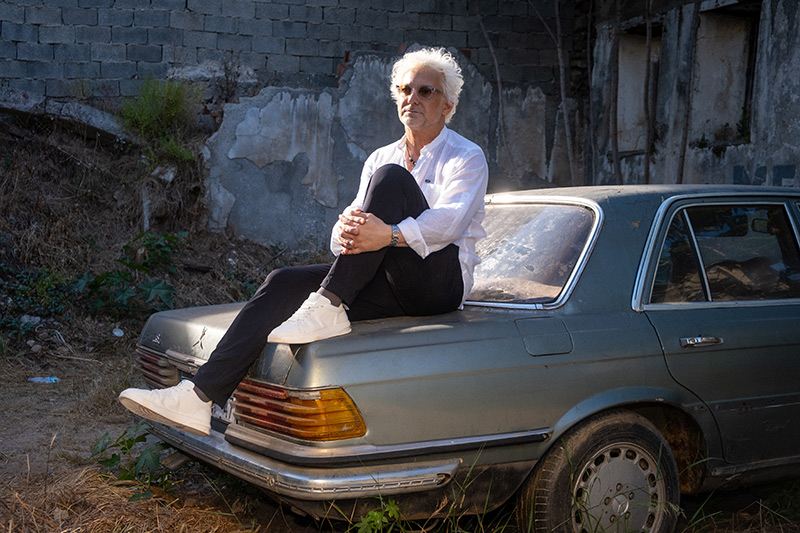
Outfit ideas for different professions
- Entrepreneurs and business owners: Smart casual clothing, tailored jackets, shirts, and contemporary everyday outfits.
- Consultants and executives: Blazers, well-fitted shirts, elegant dresses, and understated accessories.
- Creative professionals: More expressive combinations, interesting textures, and distinctive personal styling.
- Coaches and wellness professionals: Comfortable, refined clothing that communicates approachability and confidence.
- Artists and designers: Outfits that reflect your creative identity without distracting from your face and personality.
How many outfits should you bring?
For most personal branding sessions, two or three different outfits provide enough variety.
A practical combination could include:
- A professional outfit for formal portraits.
- A smart-casual outfit for relaxed business images.
- A personal or lifestyle outfit that reflects your everyday style.
If you have a specific campaign or a larger content requirement, additional outfits may be useful.
What should you avoid?
- Large logos and distracting graphics.
- Very busy patterns that compete with your face.
- Clothes that do not fit properly.
- Excessively shiny or reflective fabrics.
- Outfits that make you feel uncomfortable or unlike yourself.
Choose clothing that fits well and makes you feel confident. The goal is not to look like someone else; it is to present the best and most authentic version of yourself.
4. Select Locations That Reflect Your Professional Identity
The location is an important part of the visual story. It provides context and helps communicate your professional lifestyle.
Your photoshoot does not necessarily need to take place in a traditional office or studio. Depending on your profession, an urban street, modern building, creative workspace, hotel interior, café, or natural outdoor setting may be more suitable.
Consider these location ideas:
Office or workspace: Ideal for consultants, executives, entrepreneurs, and professionals who want to show their working environment.
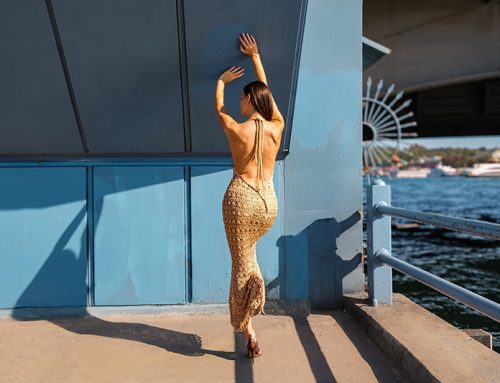
Modern architecture: Creates a clean, contemporary background for business portraits and editorial-style photographs.
Urban streets: Suitable for creative professionals, designers, founders, and people who want a more dynamic and lifestyle-oriented image.
Studio: Offers greater control over lighting, backgrounds, and visual consistency. It is especially useful for professional headshots and clean portraits.
Outdoor locations: Can create a relaxed, natural atmosphere and introduce more variety into your personal brand images.
The best location is not necessarily the most impressive one. It should support your professional identity without distracting from the subject.
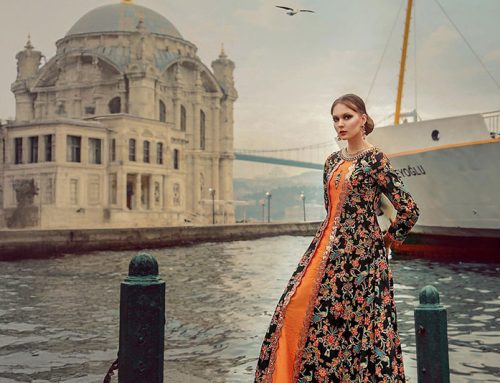
If your work involves several cities or you need photographs in Turkey, location planning can also be part of the production process. You can explore my Portrait Photographer page for examples of photography services in these locations.
5. Prepare Your Poses and Expressions
Many people feel uncomfortable in front of a camera, especially when they are not used to being photographed professionally.
You do not need to learn complicated poses before your session. However, having a general idea of the expressions and body language you prefer can make the experience easier.
A good personal branding session should include a variety of natural and directed poses.
Consider including:
- Direct eye contact with the camera.
- Relaxed standing portraits.
- Seated portraits.
- Walking and movement.
- Looking away from the camera.
- Working or interacting with your environment.
- Close-up portraits and wider compositions.
How to look natural in photographs
Start with a relaxed posture. Keep your shoulders comfortable, avoid stiff arm positions, and allow your hands to rest naturally.
Small changes in body position can make a significant difference. Turning your body slightly away from the camera while keeping your face toward the lens often creates a more natural portrait.
Do not force a smile in every photograph. A confident neutral expression, a subtle smile, or a more relaxed candid moment can all work well depending on the intended image.
Your photographer should guide you throughout the session, helping you find comfortable positions and expressions that suit your personality.
6. Bring Personal and Professional Accessories
Small details can help make your photographs more personal and meaningful.
Think about the objects you regularly use in your professional life and whether they can contribute to the visual story.
Depending on your profession, useful accessories might include:
- A laptop or tablet.
- A notebook and pen.
- Books or industry-related publications.
- A camera or creative equipment.
- Product samples or design materials.
- Professional tools related to your work.
- A coffee cup or other everyday objects.
Avoid bringing too many props. A few carefully selected items are usually more effective than filling the scene with unnecessary objects.
Accessories should support your professional identity, not become the main subject of the photograph.
7. Plan Your Hair, Makeup, and Grooming
Your appearance should be polished but still feel authentic.
You do not necessarily need professional hair and makeup for every personal branding session. The right approach depends on your preferences, profession, and the visual style of the shoot.
Before the session:
- Choose a hairstyle you feel comfortable wearing.
- Make sure your hair is clean and well-maintained.
- Keep facial hair neatly groomed if applicable.
- Avoid experimenting with a completely new hairstyle immediately before the shoot.
- Bring basic grooming products for small adjustments.
- If using makeup, consider a natural finish that works well in photographs.
Professional makeup can be especially useful for longer sessions, multiple outfits, or photographs intended for advertising and editorial use.
The objective is to look like yourself on a particularly good day, not to create an appearance that feels unfamiliar.
8. Create a Moodboard and Share Visual References
A moodboard is a useful way to communicate your expectations before the photoshoot.
It can include examples of portrait styles, lighting, poses, clothing, locations, colors, and compositions that you like.
You can collect references from photography websites, magazines, Pinterest, Instagram, or other visual platforms.
When preparing your moodboard, consider including examples of:
- Portrait styles you find appealing.
- Lighting and background preferences.
- Clothing combinations.
- Professional environments.
- Desired expressions and body language.
- Images that communicate the atmosphere of your brand.
A moodboard should communicate direction, not become a rigid list of photographs that must be copied.
Your photographer can use these references to understand your preferences and develop a visual approach that suits you.
9. Plan a Variety of Photographs
One of the most common mistakes in personal branding photography is producing only headshots.
Although professional headshots are important, a strong personal branding gallery should offer different compositions and visual situations.
A well-planned session can include:
Headshots: Close-up portraits for LinkedIn, professional profiles, and website introductions.
Environmental portraits: Photographs showing you in your office, studio, or another relevant setting.
Lifestyle portraits: More relaxed images that communicate your personality and everyday professional life.
Working photographs: Images of you interacting with your tools, workspace, or professional environment.
Editorial-style portraits: More creative photographs that introduce visual character and help your brand stand out.
Horizontal and vertical compositions: Different formats for websites, social media, presentations, and marketing materials.
Think of your gallery as a small visual library for your business. A variety of photographs will give you more flexibility when creating content over the following months.
10. Get Enough Rest and Arrive Prepared
Your energy and confidence influence how you appear in photographs.
A few simple preparations can help you feel more comfortable on the day of the session.
- Get enough sleep the night before.
- Drink water and eat a light meal before the shoot.
- Avoid scheduling the session immediately after a stressful appointment.
- Arrive with enough time to get ready.
- Bring all planned outfits and accessories.
- Keep your phone and other distractions aside during the session.
If the shoot takes place outdoors, discuss the best time of day with your photographer. Morning and late-afternoon light can create a softer and more flattering atmosphere, depending on the location and weather.
Most importantly, give yourself time to settle into the session. You do not need to feel completely comfortable in front of the camera from the first minute.
11. Work with a Photographer Who Understands Your Brand
Choosing the right photographer is about more than technical photography skills.
A personal branding photographer should understand how images communicate personality, professional identity, and business values.
Before booking, review the photographer’s portfolio and consider:
- Does the visual style match your expectations?
- Can the photographer create different types of portraits?
- Do the photographs feel natural and authentic?
- Is there experience with professional portraits, fashion, or editorial photography?
- Can the photographer help with posing and visual direction?
- Does the photographer understand how images will be used across digital platforms?
Communication before the session is equally important. Share your professional background, target audience, preferred style, and intended use of the photographs.
If you are planning a larger visual project involving portraits, fashion-style images, or commercial content, you can also explore my photography and production services.
12. What Happens During a Personal Branding Photoshoot?
A professional personal branding session usually begins with a short discussion about your goals, preferred style, and the intended use of the photographs.
The photographer then guides you through the planned locations, outfits, and compositions.
A typical session may include:
- Initial preparation: Discussing the visual direction and reviewing the planned outfits.
- Portrait session: Creating professional headshots and more formal portraits.
- Lifestyle photographs: Capturing relaxed images in a suitable environment.
- Outfit changes: Introducing different looks to create variety.
- Creative portraits: Producing more expressive or editorial-style images.
- Final selection and editing: Selecting the strongest photographs and completing professional post-production.
The exact workflow depends on the number of outfits, locations, and photographs required.
A focused one-hour session may be enough for a simple portrait collection, while a more extensive personal branding project may require additional time and planning.
13. How Many Photos Do You Need for Personal Branding?
There is no universal number. The ideal quantity depends on how frequently you publish content and where you use your photographs.
For someone who only needs a new professional headshot and a few website portraits, a small collection may be sufficient.
For entrepreneurs, consultants, and content creators who regularly publish on several platforms, a larger and more varied gallery can be more useful.
A practical collection might include:
- 3–5 professional headshots.
- 5–8 environmental portraits.
- 5–8 lifestyle images.
- 3–5 working or detail photographs.
- Several horizontal and vertical compositions.
These are planning suggestions, not fixed package requirements. The final number should reflect your actual content needs and the scope of the session.
Rather than focusing only on the total number of edited images, prioritize variety, quality, and practical use.
14. Common Personal Branding Photoshoot Mistakes to Avoid
A little preparation can prevent common problems and make your photographs more effective.
Not having a clear objective: Without a defined purpose, the session may produce attractive images that do not support your professional identity.
Choosing outfits at the last minute: Unplanned clothing choices can create unnecessary stress and limit the visual variety of the session.
Trying to imitate someone else’s brand: Reference images are useful, but your photographs should represent your own personality and professional identity.
Using too many props: Unnecessary objects can distract from the main subject.
Taking only headshots: A limited collection of close-up portraits may not provide enough content for your website and social media.
Ignoring image formats: Not planning for horizontal, vertical, and square compositions can limit how you use the photographs later.
Expecting every image to look completely different: A consistent visual identity is important. Variety should come from composition, environment, clothing, and expression while maintaining a coherent style.

Frequently Asked Questions About Personal Branding Photography
What is personal branding photography?
Personal branding photography is a collection of professional images created to communicate an individual’s personality, expertise, professional identity, and business values. These photographs are commonly used on websites, LinkedIn, social media, and marketing materials.
How should I dress for a personal branding photoshoot?
Choose outfits that reflect your profession and personal style. Smart casual clothing, tailored jackets, simple shirts, and well-fitted outfits are versatile choices. Bringing two or three different looks can create a more varied gallery.
How long does a personal branding photoshoot take?
A basic session may take around one hour. More comprehensive sessions involving multiple outfits, locations, and different photographic styles may require two hours or more.
Do I need a makeup artist for personal branding photography?
Not always. Many people prefer to prepare their hair and makeup themselves. However, professional makeup can be helpful for longer sessions, multiple outfit changes, or more polished commercial and editorial portraits.
Where should I have my personal branding photoshoot?
The best location depends on your profession and the image you want to communicate. Studios, offices, modern architecture, urban streets, cafés, and outdoor environments can all work well.
How many photos should I get from a personal branding session?
The number depends on your intended use. A small collection may be sufficient for a professional profile and website, while people who regularly create social media and marketing content may benefit from a larger gallery with different compositions and settings.
Can I use personal branding photographs on LinkedIn and Instagram?
Yes. Professional branding photographs can be used across LinkedIn, Instagram, business websites, presentations, press materials, and other marketing channels. It is useful to plan different crops and compositions for each platform.
What is the difference between personal branding photography and corporate headshots?
Corporate headshots generally focus on consistent, professional portraits for business profiles and company websites. Personal branding photography goes further by combining portraits, lifestyle images, working moments, and environmental photographs to communicate a more complete professional identity.
Final Thoughts: Make Your Personal Brand Visible
Personal Branding Photography is not simply about looking professional in front of a camera. It is about creating a visual identity that communicates who you are, what you do, and what makes your work distinctive.
The best results come from combining thoughtful preparation with a photographer who understands your goals and can translate them into strong, natural images.
Whether you need a new LinkedIn portrait, photographs for your website, or a complete visual library for your business, planning the session carefully will help you get more value from the experience.
If you are planning a personal branding photoshoot in Turkey, get in touch to discuss your project and create a collection of professional photographs that reflects your identity.

Leave A Comment