
Clothing Photography for Fashion Brands: Models, Lighting and Styling
Clothing Photography is essential for fashion brands that want to present their collections professionally, communicate their identity and create a consistent visual presence across digital platforms. From model selection and styling to lighting and creative direction, every decision affects how customers perceive a clothing collection.
Professional clothing photography is not simply about showing what a garment looks like. It is about presenting its fit, texture, details and character while creating images that reflect the brand’s visual identity.
Whether you are preparing a new collection, producing a seasonal lookbook or planning a fashion campaign, understanding the key elements of a successful clothing photoshoot helps you achieve stronger and more consistent results.
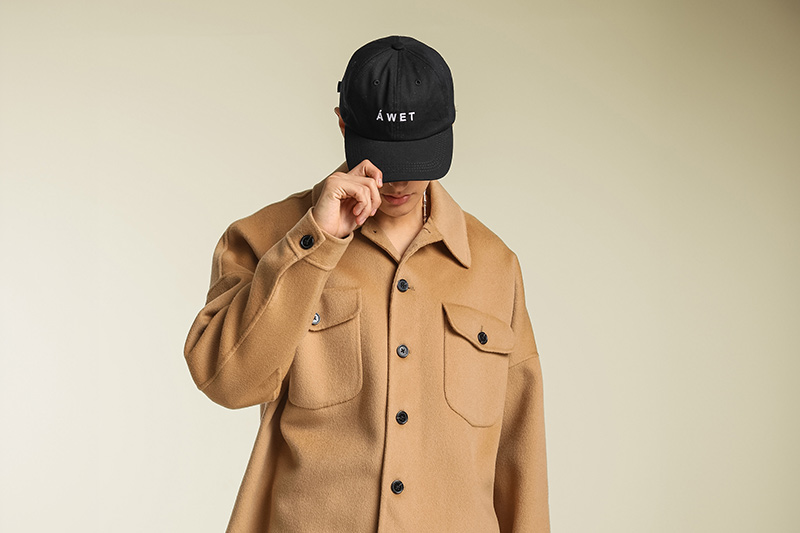
Clothing Photography for Fashion Brands: Models, Lighting and Styling
What Is Clothing Photography?
Clothing photography is the process of photographing garments to present their design, fit, materials and overall appearance. It can include model photography, editorial fashion images, lookbooks, campaign visuals and product-focused photographs.
Unlike basic product photography, clothing photography often requires a combination of technical photography skills and creative direction. The photographer must consider how garments move, how fabrics respond to light, how models present the clothing and how the final images communicate the brand’s identity.
Depending on the purpose of the project, clothing photography can be created for:
- Fashion brand websites and online stores
- Seasonal collections and lookbooks
- Advertising and marketing campaigns
- Social media content
- Fashion catalogues
- Wholesale presentations and brand portfolios
The right approach depends on the collection, target audience and intended use of the photographs.
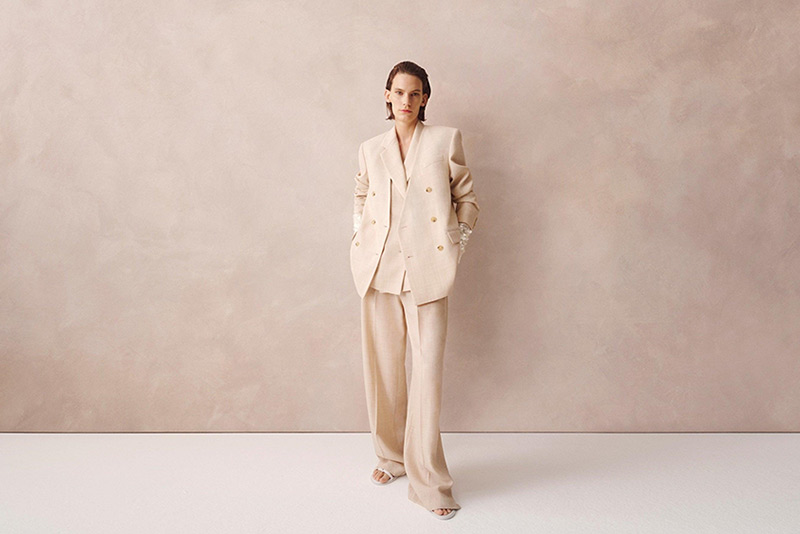
Clothing Photography: A Guide for Fashion Brands
1. Choosing the Right Model for Clothing Photography
The model is one of the most important elements of a clothing photoshoot. The right model helps communicate the style, fit and personality of a collection.
Model selection should be based on the brand’s identity rather than appearance alone. A luxury fashion label, a streetwear brand and a modest fashion collection may require very different model profiles and visual approaches.
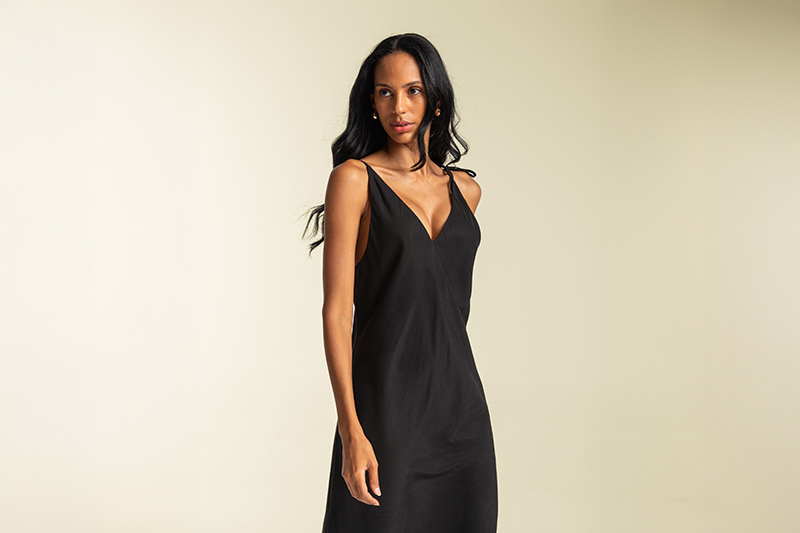
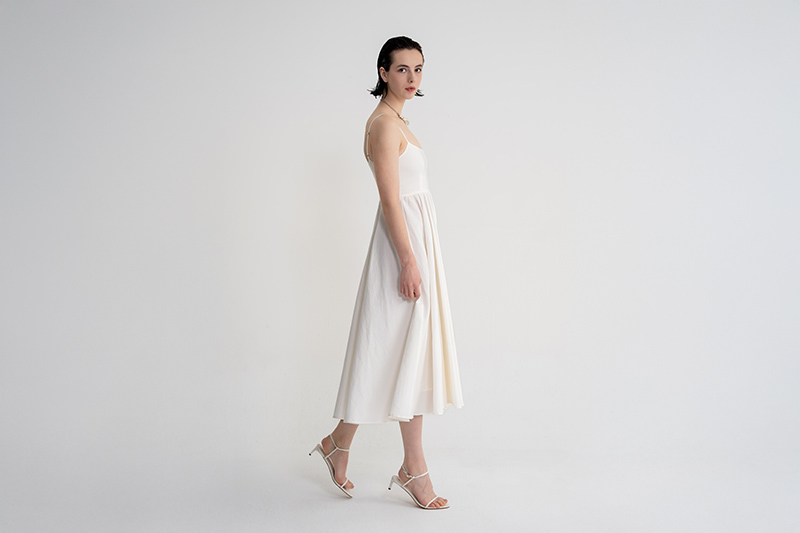
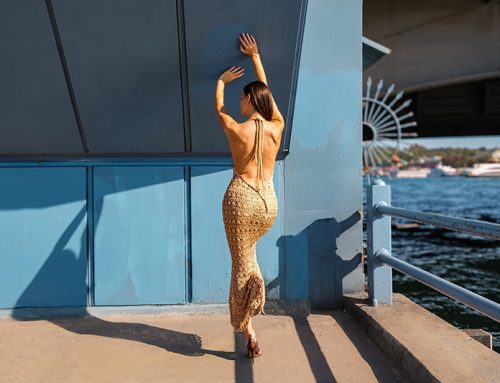
Clothing Photography for Fashion Brands: Models, Lighting and Styling. Awet NYC photoshoot
Match the Model to Your Brand
Before selecting models, consider:
- Target audience: Who is the collection designed for?
- Brand identity: Is the style minimal, elegant, sporty, contemporary or luxury?
- Garment type: Does the clothing require a specific body type, height or presentation?
- Campaign concept: Should the model create a commercial, editorial or lifestyle feeling?
- Consistency: Will the same model appear throughout the collection?
For brands producing regular seasonal collections, maintaining visual consistency across different shoots can help create a recognizable identity.
Model Direction and Posing
Even experienced models need clear direction during a photoshoot. Posing should highlight the garment rather than distract from it.
The photographer should pay attention to:
- How the garment falls on the body
- Shoulder, waist and sleeve positioning
- Natural movement and posture
- Fabric folds and silhouette
- The relationship between the model and the camera
- Consistency between different product images
For commercial collections, clear and controlled poses are often more useful than overly complicated editorial poses. For campaign photography, more expressive movement and creative compositions may be appropriate.
2. Lighting Techniques for Clothing Photography
Lighting has a direct influence on how clothing looks in photographs. It determines the visibility of fabric texture, colour accuracy, garment shape and overall mood.
There is no single lighting setup that works for every clothing collection. The choice depends on the fabric, garment colour, desired atmosphere and intended use of the images.
Soft Lighting for Clean Commercial Images
Soft lighting is widely used for commercial clothing photography because it produces gradual shadows and helps present garments clearly.
Large softboxes, diffusers and indirect light sources can help create an even appearance across the clothing. This approach is particularly useful for e-commerce catalogues, lookbooks and collections that require a clean visual style.
Directional Lighting for Texture and Shape
Directional lighting creates more defined shadows and highlights. It can emphasize the structure of a garment, reveal fabric texture and add depth to an image.
This approach can work particularly well for:
- Denim and structured garments
- Leather and textured fabrics
- Knitwear
- Outerwear
- Editorial fashion photography
The direction and intensity of the light should be adjusted carefully to avoid losing important garment details.
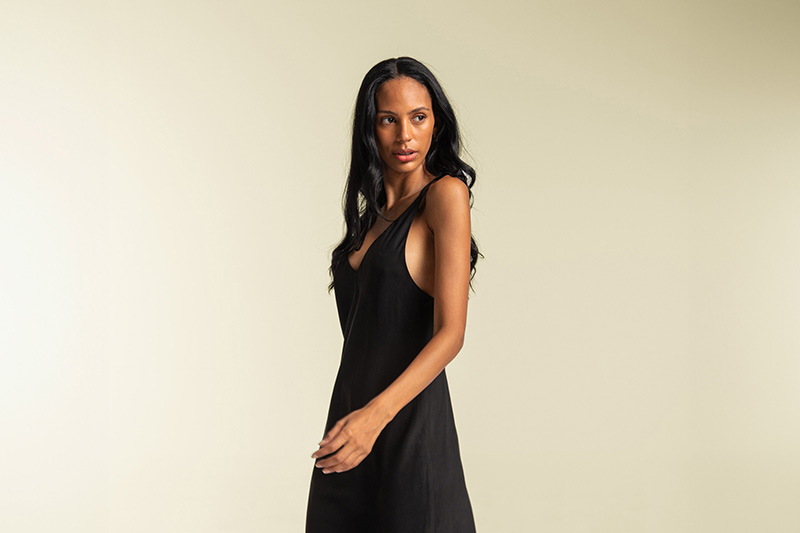
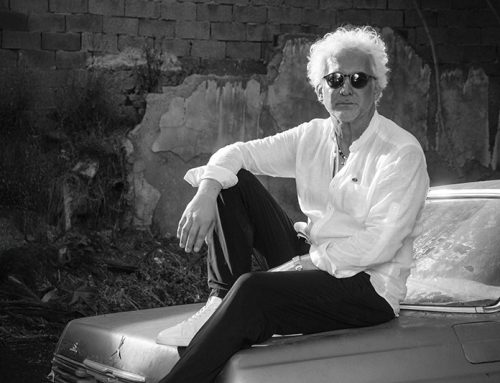
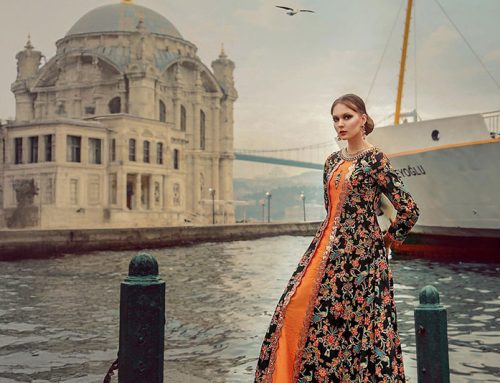
Photoshoot for Awet NYC by Umur Dilek
Natural Light for Lifestyle and Editorial Photography
Natural light can create a more relaxed and atmospheric look. It is useful for outdoor fashion shoots, lifestyle campaigns and editorial projects.
However, natural light changes throughout the day. Weather, location and shooting time should be considered when planning the production.
For more information about professional fashion photography, explore my fashion photography portfolio.
3. Styling: Preparing Clothes for the Camera
Styling is not just about choosing attractive outfits. It is about making sure each garment looks its best in front of the camera while remaining consistent with the brand’s concept.
Small details can make a significant difference in the final photographs. Wrinkles, incorrect sizing, visible labels and poorly arranged accessories can distract from the clothing.
Prepare Garments Before the Shoot
Before photography begins, each garment should be checked and prepared.
A professional preparation checklist includes:
- Steam or iron garments when necessary.
- Remove loose threads and visible lint.
- Check buttons, zippers and fastenings.
- Prepare the correct sizes for each model.
- Arrange accessories and complementary pieces.
- Check how garments fit and move on the model.
- Prepare alternative styling options.
A dedicated stylist can manage these details during larger productions. For smaller shoots, the photographer and brand team should agree on responsibilities before the session.
Build a Consistent Styling Concept
The styling should support the collection’s visual identity.
For example, a minimalist clothing brand may benefit from neutral accessories and simple backgrounds. A contemporary streetwear collection may require more expressive styling, layered outfits and dynamic poses.
A moodboard helps communicate the intended direction before the shoot. It can include references for clothing combinations, colours, poses, lighting, backgrounds and overall atmosphere.
4. Planning a Clothing Photoshoot
A successful clothing photoshoot starts before the camera is switched on. Planning the production helps control time, maintain consistency and avoid unnecessary costs.
Define the Purpose of the Shoot
Start by identifying how the images will be used.
A lookbook, advertising campaign and e-commerce collection may require different photographs. The number of outfits, model direction, locations, lighting and final deliverables should reflect the intended use.
Create a Shot List
A shot list gives the team a clear overview of the images required for each garment or outfit.
Depending on the project, it may include:
- Full-length front views
- Back and side views
- Three-quarter portraits
- Close-ups of fabric and garment details
- Movement and lifestyle photographs
- Editorial campaign images
- Social media compositions
Not every project needs every type of image. The shot list should be based on the brand’s actual content requirements.
Prepare a Moodboard
A moodboard helps align the photographer, brand team, stylist and models.
It should communicate:
- The visual direction of the collection
- Lighting and colour references
- Model poses and expressions
- Styling ideas
- Backgrounds and locations
- Composition and framing
This makes creative decisions easier and reduces misunderstandings during production.
For brands planning a shoot in Turkey, my guide on how to plan a fashion photoshoot in Turkey provides further information about locations, production and preparation.
5. Studio or Outdoor Clothing Photography?
The choice between studio and outdoor photography depends on the collection and the message the brand wants to communicate.
Studio Clothing Photography
Studio photography offers greater control over lighting, backgrounds and shooting conditions. It is particularly useful for collections that require a clean, consistent visual presentation.
Advantages include:
- Controlled lighting
- Consistent backgrounds
- Less dependence on weather
- Efficient outfit changes
- Greater control over the final visual style
Studio shoots are suitable for commercial catalogues, lookbooks and controlled fashion campaigns.
Outdoor Clothing Photography
Outdoor photography introduces location, architecture, natural light and environmental elements into the images.
It can create a stronger sense of lifestyle and atmosphere, making it suitable for fashion campaigns and editorial projects.
Advantages include:
- Natural backgrounds and environments
- More visual variety
- Opportunities for lifestyle storytelling
- Dynamic use of natural light
- A stronger connection between clothing and setting
Turkey offers a variety of locations for outdoor fashion photography, from urban architecture in Istanbul to coastal landscapes in Antalya.
Depending on the project, I work with both studio and outdoor setups. You can see examples of my fashion photography work in Istanbul and fashion photography in Antalya.
6. Clothing Photography for Different Fashion Categories
Different types of clothing require different photographic approaches. Fabric, cut, fit and intended audience all influence how a garment should be presented.
Women’s Fashion
Women’s fashion photography can range from clean commercial images to expressive editorial campaigns. Model selection, styling and posing should reflect the collection’s design and target audience.
Men’s Fashion
Men’s clothing photography often focuses on fit, structure, proportions and garment details. Clear poses and controlled lighting help communicate the cut and construction of jackets, shirts, trousers and other pieces.
Modest Fashion
Modest fashion photography requires particular attention to garment coverage, silhouette, layering and movement. Styling and model direction should respect the collection’s design while presenting the clothing clearly.
You can explore examples and information about modest fashion photoshoots in Turkey.
Sportswear and Activewear
Sportswear photography often combines functional product presentation with movement. The images should show flexibility, fit and comfort while communicating the active identity of the brand.
Luxury and Designer Collections
Luxury fashion photography places greater emphasis on visual identity, material quality, composition and atmosphere. Lighting and styling should support the character of the garments without distracting from their design.
7. Post-Production and Image Consistency
Post-production is an important part of professional clothing photography. The objective is to refine the photographs while keeping the garments visually accurate.
Typical post-production work includes:
- Colour and exposure correction
- Skin retouching where appropriate
- Removal of temporary distractions
- Fabric and garment detail refinement
- Background adjustments
- Consistent cropping and image dimensions
- Final export for different platforms
Colour accuracy is especially important for clothing brands. The final photographs should represent the actual garment as closely as possible.
Retouching should improve the presentation without changing the product in a misleading way. Excessive editing can create unrealistic expectations and lead to a difference between the photographed garment and the item customers receive.
For more information about product-focused photography and editing, read my Product Photography Guide for E-commerce Brands.
8. Clothing Photography Production in Turkey
Turkey is an important production destination for international fashion brands. Its textile and garment manufacturing industry, experienced creative professionals and varied shooting locations make it a practical option for brands planning photography projects.
A clothing photoshoot in Turkey can include:
- Model and photographer coordination
- Studio or outdoor photography
- Lookbook production
- Fashion campaign photography
- Product-focused clothing images
- Short-form video content
- Image selection and post-production
Production requirements vary depending on the number of garments, models, locations and final deliverables.
For international brands, planning these elements together can make the process more efficient. My fashion photography and production services can support projects that require professional photography and coordinated production in Turkey.
9. How to Choose a Clothing Photographer
Choosing a photographer is not only about finding someone who takes attractive pictures. The photographer should understand how clothing needs to be presented and how the images will be used by the brand.
Before selecting a photographer, consider the following:
Fashion portfolio: Does the photographer have experience with clothing collections and fashion brands?
Lighting and technical skills: Can they work with different fabrics, colours and shooting environments?
Creative direction: Can they translate your brand identity into a consistent visual concept?
Production experience: Can they coordinate with models, stylists and other members of the production team?
Post-production: Do the final images have consistent colour, quality and retouching?
Communication: Can the photographer understand your requirements and provide a clear production plan?
Reviewing relevant work is often the best way to understand whether a photographer’s visual approach is suitable for your brand.

Frequently Asked Questions About Clothing Photography
What is the best lighting for clothing photography?
Soft, controlled lighting is a reliable choice for clean commercial clothing images. Directional lighting can be more suitable when the goal is to emphasize fabric texture, structure or create a stronger editorial look.
Should clothing be photographed on models?
Model photography is useful when brands want to communicate fit, proportions, movement and styling. However, the best approach depends on the collection and the intended use of the images.
How many outfits can be photographed in one day?
The number depends on the complexity of styling, model changes, lighting setup, location and shot list. A simple studio production can cover more outfits than a detailed editorial campaign with multiple setups.
Is studio or outdoor photography better for fashion brands?
Neither is universally better. Studio photography offers consistency and lighting control, while outdoor photography creates atmosphere and lifestyle context. Some collections benefit from combining both approaches.
Can clothing photography include short videos?
Yes. A fashion photoshoot can also produce short video clips for social media, product presentations and campaign content. Video requirements should be included in the production plan before the shoot.
How much does professional clothing photography cost?
The cost depends on the number of garments, shooting hours, models, location, styling, studio requirements and post-production. A project quote should be prepared according to the production scope and required deliverables.
Professional Clothing Photography for Your Fashion Brand
Professional Clothing Photography helps fashion brands present their collections with a clear visual identity and consistent quality. The right combination of models, lighting, styling and creative direction can turn a simple clothing shoot into a strong visual presentation.
I am a fashion photographer based in Turkey, working with fashion brands, designers and clothing manufacturers on lookbooks, fashion campaigns and commercial photography projects.
If you are planning a clothing photoshoot in Turkey, contact me to discuss your project.

Leave A Comment