
From Clothing Manufacturing to E-commerce Photography in Turkey
E-commerce Photography in Turkey is an important part of the process for international fashion brands that manufacture their collections in the country. Producing garments is only one stage of bringing a clothing collection to market. Once the products are ready, brands also need professional images, accurate product presentation, and digital content that can be used across online stores, marketplaces, catalogues, and marketing channels.
For brands working with Turkish clothing manufacturers, coordinating photography locally can make the production process more efficient. Garments can move from manufacturing and sample preparation to photography, retouching, and final image delivery without unnecessary international shipping between different production locations.
Turkey offers opportunities to coordinate clothing production and visual content within the same country. With the right planning, fashion brands can organise product photography, model shoots, lookbooks, and campaign content around their manufacturing schedules.
This guide explains how to plan the process from clothing manufacturing to e-commerce photography in Turkey, what types of images your brand may need, and how to organise a professional photography production for international markets.
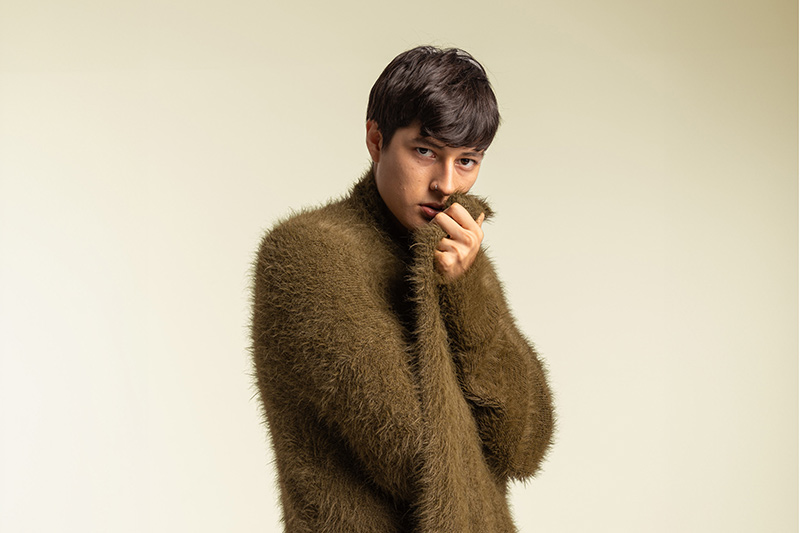
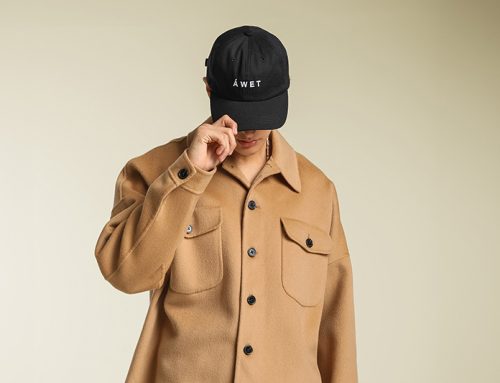
E-commerce Photography in Turkey for Awet NYC by Umur Dilek
Why Combine Clothing Manufacturing and E-commerce Photography in Turkey?
Many international fashion brands work with Turkish manufacturers for clothing production. When photography is also organised in Turkey, the brand can coordinate two important stages of its product launch in one location.
This approach can be particularly useful for:
- International fashion brands producing collections in Turkey.
- E-commerce businesses sourcing garments from Turkish manufacturers.
- Clothing wholesalers preparing digital catalogues.
- Fashion startups launching their first collections.
- Private-label brands developing products with local factories.
- Retailers preparing seasonal collections for online sales.
Instead of transporting every finished product to another country for photography, brands can arrange a local shoot after production samples or final garments are ready.
There are several practical advantages.
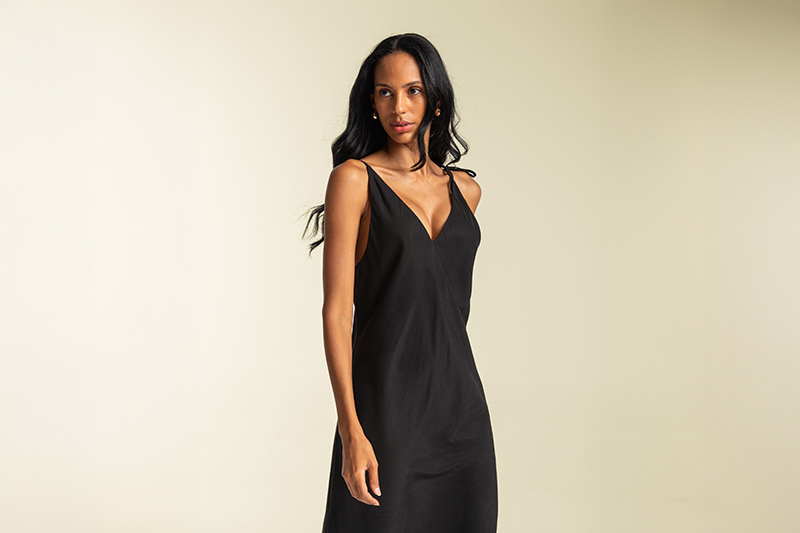
E-commerce Photography in Turkey
1. Easier Product Coordination
Photographing garments close to the manufacturing location can simplify sample collection, product delivery, and preparation.
The photography team can work with the actual garments, check product details, and organise the shooting schedule around the availability of the collection.
2. More Efficient Production Planning
When manufacturing and photography schedules are coordinated, brands can plan their product launches more effectively.
Photography can begin once approved samples or production pieces are available. This allows the brand to prepare product pages and marketing materials while managing the remaining stages of its launch.
3. Local Access to Creative Professionals
Turkey has photographers, models, stylists, makeup artists, studios, and production professionals working in different fashion and commercial markets.
Depending on the project, brands can organise a small product photography setup or a larger production involving models, styling, video, and creative direction.
4. Multiple Types of Visual Content
A single production can generate different types of content for different purposes.
For example, the same collection can be photographed for:
- E-commerce product pages.
- Wholesale and digital catalogues.
- Fashion lookbooks.
- Social media campaigns.
- Website banners.
- Digital advertising.
- Brand presentations.
Planning these requirements together can help reduce duplicated work and create a more consistent visual identity.
From the Factory to the Photography Studio: The Workflow
A professional clothing photography project should be planned as part of the wider product development and launch process.
The exact workflow depends on the manufacturer, collection size, product category, and sales channels. However, most projects follow a similar structure.
Step 1: Clothing Production and Sample Approval
The process begins with the clothing manufacturer producing samples or preparing the finished collection.
Before photography, the brand should approve important product details, including:
- Fabric and material.
- Colour and finish.
- Garment measurements.
- Fit and proportions.
- Construction and stitching.
- Buttons, zippers, labels, and accessories.
- Final product specifications.
This stage is important because photography should represent the actual product that customers will receive.
If the manufacturer is still making changes to the garments, it is better to confirm the final specifications before producing the main image set.
Step 2: Product Collection and Preparation
Once the garments are approved, they need to be organised for photography.
The brand or manufacturer should prepare a product list containing the relevant information for each item.
A useful product list may include:
| Information | Purpose |
|---|---|
| Product name or SKU | Identifies each garment |
| Colour | Organises colour variations |
| Size range | Helps plan model and sample selection |
| Product category | Determines photography requirements |
| Fabric and material | Guides detail photography |
| Special features | Identifies important visual details |
| Required images | Defines the shot list |
Garments should arrive clean, properly labelled, and ready for photography. Wrinkles, loose threads, missing buttons, and other visible issues should be addressed before the shoot.
For large collections, product preparation can take considerable time. A clear inventory and organised delivery process help prevent delays.
Step 3: Define the Photography Requirements
Not every garment needs the same photography treatment.
A basic T-shirt may require a clean front view, back view, and detail image. A structured jacket may need several angles, close-ups, and model photographs to show its construction and fit.
Before production begins, decide which image types are necessary for each product.
Typical requirements include:
- Front and back product images.
- Side and three-quarter views.
- Model photographs.
- Ghost mannequin images.
- Flat lay photography.
- Fabric and construction details.
- Lifestyle images.
- Short product videos.
The objective is to create an image set that provides enough information for customers while meeting the brand’s visual and technical requirements.
Choosing the Right Clothing Product Photography Method
The photography method should reflect the garment, the target customer, and the way the product will be presented online.
There are several approaches commonly used by clothing brands.
Studio Product Photography
Studio product photography presents garments in a controlled environment with consistent lighting and backgrounds.
It is suitable for brands that need a uniform product catalogue, particularly when photographing large collections.
Studio photography can include garments displayed on hangers, flat lays, or invisible mannequins.
Best for:
- Basic clothing collections.
- Large product ranges.
- Standardised online stores.
- Wholesale catalogues.
- Product comparison images.
Model Photography
Model photography shows how garments look when worn. It communicates fit, proportions, length, styling, and the relationship between clothing and the human body.
This is particularly useful for products where silhouette and fit influence purchasing decisions.
Best for:
- Dresses and skirts.
- Tailored jackets.
- Trousers and denim.
- Resortwear and swimwear.
- Fashion collections with a strong visual identity.
- Social media and advertising.
Model photography can take place in a studio or at an outdoor location, depending on the brand’s direction.
Ghost Mannequin Photography
Ghost mannequin photography creates the appearance of clothing being worn by an invisible person.
The garment is photographed on a mannequin, and selected images are combined during post-production to remove the mannequin while preserving the shape of the clothing.
This method provides a three-dimensional presentation without requiring a model for every product.
Best for:
- Shirts and jackets.
- Knitwear.
- Dresses.
- Structured garments.
- E-commerce catalogues.
Flat Lay Photography
Flat lay photography presents garments on a flat surface, usually photographed from above.
It is a practical method for displaying basic clothing, accessories, coordinated outfits, and product details.
It can also be used to create consistent catalogue images for collections with many colour and design variations.
For a more detailed comparison of product presentation methods, read Clothing Product Photography: Studio vs Model Photography.
Planning an E-commerce Photography Production
Once the photography method has been selected, the next step is organising the actual production.
A clear production plan helps the photographer, brand, and manufacturer work towards the same result.
Create a Product Shot List
A shot list specifies the images required for each product.
For example:
| Product | Required Images |
|---|---|
| Basic T-shirt | Front, back, detail |
| Shirt | Front, back, side, collar detail |
| Jacket | Front, back, side, model, construction details |
| Dress | Front, back, side, model, fabric detail |
| Trousers | Front, back, model, waistband detail |
These are examples rather than fixed requirements. The final shot list should reflect the collection and the information customers need.
Prepare a Visual Reference
A moodboard or reference document helps establish the intended photography style.
It can include:
- Background colours.
- Lighting references.
- Model poses.
- Camera angles.
- Styling direction.
- Image composition.
- Retouching examples.
For standard e-commerce photography, consistency is usually more important than creative variation.
For campaign and editorial content, the visual direction can be more expressive.
Decide on the Studio Setup
The studio requirements depend on the number of products, photography method, and production team.
A small studio setup may be sufficient for flat lays and basic product photography. Model shoots and larger collections may require more space, changing areas, equipment, and additional crew.
The studio should be selected according to the actual production needs rather than simply its size or appearance.
Organise Models and Styling
If model photography is required, the brand should define the desired model profile and styling direction in advance.
Important considerations include:
- Target customer and brand positioning.
- Model measurements and garment sizes.
- Number of models.
- Outfit combinations.
- Hair and makeup.
- Styling and accessories.
- Number of looks per model.
For brands with different customer segments, it may be useful to plan a model selection that represents the intended audience.
Establish the Production Schedule
The shooting schedule should account for product preparation, model availability, styling, garment changes, and the number of images required.
For large collections, grouping products by category, model, or photography method can make the workflow more efficient.
The final schedule should also include time for image selection and post-production.
Creating Content for Different E-commerce Platforms
The images produced during a clothing photography session may be used across several sales channels.
However, each platform and brand website may have different image specifications and presentation requirements.
Before the shoot, identify where the images will be published.
Brand E-commerce Websites
A brand’s own online store needs consistent product images that fit its website design.
The image set should provide clear product views, accurate colours, and enough detail to help customers make purchasing decisions.
Product photography should also work well on mobile devices, where customers may view images in smaller formats.
Online Marketplaces
Marketplaces often have their own image requirements, including background, framing, file format, and product visibility.
Brands should check the current technical guidelines of each marketplace before production.
A single set of photographs may not meet every platform’s requirements without additional editing or cropping.
Wholesale and B2B Catalogues
Wholesale buyers often need to review multiple products quickly.
Clear, consistent images make it easier to compare styles, colours, and product details.
For this reason, catalogue photography should prioritise uniform presentation and accurate product information.
Social Media and Digital Advertising
Social media content can be more creative than standard product photography.
Model images, lifestyle photographs, short videos, and detail shots can be used to communicate the collection and create a stronger connection with the brand.
It is useful to plan vertical and horizontal image formats before the shoot so that the production can deliver content for different placements.
Photography, Retouching, and AI Image Editing
Photography is only one part of the final image production process. Post-production helps prepare the photographs for online use and maintain consistency across the collection.
Typical editing tasks include:
- Colour and white balance correction.
- Exposure and contrast adjustments.
- Background cleaning.
- Dust and minor imperfection removal.
- Garment retouching.
- Cropping and alignment.
- Image resizing and export.
For clothing products, retouching should preserve the actual appearance of the garment.
Fabric texture, stitching, colour, shape, and construction should not be altered in a way that misrepresents the product.
Can AI Be Used in Clothing Product Photography?
AI tools can support selected parts of the image editing workflow.
For example, AI-assisted background replacement can help create alternative visual settings from an existing product photograph. It can also support certain repetitive editing tasks.
However, AI-generated environments should not change the actual garment or introduce details that are not present in the product.
The original product photograph should remain the reliable visual reference.
For a closer look at this process, read AI Background Replacement for Clothing Product Photography.
What Should Be Included in the Final Photography Delivery?
Before the shoot, the brand and photographer should agree on the final deliverables.
A professional delivery plan may include:
- Selected and edited product images.
- Model photographs.
- Detail and close-up images.
- Lifestyle or campaign photographs.
- Short-form video content, if included.
- Web-ready image files.
- High-resolution image files, if required.
- Agreed file naming and product references.
The file naming system is especially important for large e-commerce collections.
Using product names, SKUs, colours, and view numbers can make it easier for the brand’s team to organise and upload the images.
For example:
SKU123_Black_Front.jpg
SKU123_Black_Back.jpg
SKU123_Black_Model_01.jpg
The exact naming convention should be agreed before delivery.
How Much Does E-commerce Photography Cost in Turkey?
The cost of e-commerce photography in Turkey depends on the production requirements rather than simply the number of photographs.
A basic studio product shoot and a model-based fashion production involve different resources and preparation.
The main factors affecting the budget include:
Number of Products and Images
The number of garments, colour variations, and required views directly affects production time.
A collection of 20 products with three views each requires a different workflow from a collection of 150 products with multiple model and detail images.
Photography Method
Flat lay and hanger photography usually require a simpler setup than model photography or ghost mannequin production.
Model shoots may involve casting, model fees, styling, hair and makeup, and additional preparation.
Production Team
Depending on the project, the team may include:
- Photographer.
- Models.
- Stylist.
- Hair and makeup artist.
- Photography assistant.
- Production coordinator.
- Retoucher.
Not every project needs every role. The team should be organised according to the creative and technical requirements.
Studio and Location
Studio rental, equipment, travel, and location fees may affect the final budget.
Outdoor fashion productions may also require additional planning and coordination.
Post-Production
The amount of retouching required depends on the image type, product category, and brand standards.
Basic colour correction and cropping are different from detailed garment retouching or ghost mannequin compositing.
Video Requirements
If the brand also needs product videos, campaign films, or vertical social media content, these should be included in the production plan and quotation.
For this reason, it is more useful to prepare a project-specific quotation than to apply one fixed price to every clothing photography project.
Why Work with a Local Fashion Photographer in Turkey?
For international brands manufacturing clothing in Turkey, a local photographer can help coordinate the visual production stage without requiring the brand to manage every detail from abroad.
A photographer familiar with fashion production can help plan the shoot, assess the collection, recommend suitable photography methods, and coordinate the required creative professionals.
I work on fashion, commercial, and e-commerce photography projects in Turkey, including studio product photography, model shoots, lookbooks, and campaign productions.
My production work includes projects for fashion brands and commercial clients, with experience in both product-focused photography and creative fashion imagery.
Depending on the project, I can help coordinate models, styling, hair and makeup, studios, and other production requirements.
You can explore my fashion and commercial production services to see examples of photography and production work.

Fashion Photography Locations in Turkey
Turkey offers different production environments for fashion brands, from professional studios to outdoor campaign locations.
The best location depends on the collection, target market, and visual direction.
Istanbul
Istanbul is a practical choice for many fashion and e-commerce productions.
The city offers professional studios, models, stylists, makeup artists, and a wide range of creative professionals. It is particularly suitable for studio product photography, lookbooks, editorial shoots, and commercial campaigns.
Antalya
Antalya offers studio options as well as Mediterranean outdoor locations.
It can be suitable for resortwear, summer collections, swimwear, modest fashion, and lifestyle campaigns.
Bodrum
Bodrum provides coastal settings, boutique hotels, villas, and distinctive architectural environments.
It is particularly relevant for resortwear, luxury fashion, and summer campaign productions.
Photography can also be organised in other parts of Turkey when the project requires a specific location or production setup.
A Practical Checklist for International Clothing Brands
Before arranging e-commerce photography in Turkey, make sure the following points are clear:
-
Final garment samples or approved products are ready.
-
Product list and SKUs are prepared.
-
Colours, sizes, and product details are confirmed.
-
Photography methods are selected.
-
Required image angles and quantities are defined.
-
Model and styling requirements are agreed.
-
Studio or location is selected.
-
Moodboard and visual references are approved.
-
Shooting schedule is confirmed.
-
Retouching and image delivery requirements are agreed.
-
Usage rights and image licensing are discussed.
-
Final delivery date is planned around the product launch.
Preparing these details before production helps avoid unnecessary delays and makes communication between the brand, manufacturer, and photography team more efficient.
Frequently Asked Questions
Can I arrange clothing manufacturing and e-commerce photography in Turkey?
Yes. Brands can coordinate clothing production with local manufacturers and arrange photography in Turkey once approved samples or finished garments are available. Manufacturing and photography are separate services, so the brand should coordinate the responsibilities and schedules of each supplier.
Is it better to photograph clothing in Turkey or in my home country?
If your garments are manufactured in Turkey, photographing them locally may reduce the need to transport samples internationally. It can also make product preparation and production coordination easier. The best option depends on your logistics, team, and launch schedule.
Do you provide e-commerce photography for clothing manufacturers?
I work on e-commerce and commercial photography projects for clothing brands and businesses. The production can be planned around the collection, product quantity, photography method, and final image requirements.
Can you photograph an entire clothing collection?
Yes. Larger collections can be organised through a planned production workflow. Products can be grouped by category, photography method, or model to manage shooting time and maintain visual consistency.
Do you provide model photography as well as studio product photography?
Yes. Projects can include studio product photography, model shoots, ghost mannequin photography, flat lays, and detail images. The most suitable combination depends on the products and the brand’s sales channels.
Can you organise models, stylists, and makeup artists in Turkey?
Depending on the project, I can help coordinate local models, stylists, hair and makeup artists, assistants, and other production professionals. The team and associated costs are determined by the production brief.
How long does an e-commerce photography project take?
The schedule depends on the number of products, required image types, model changes, production team, and post-production workload. A small product shoot may take much less time than a large collection requiring several models and multiple setups. A realistic schedule can be prepared once the product list and requirements are known.
Can the images be used on international e-commerce platforms?
Images can be prepared for international online stores and marketplaces. However, each platform may have its own technical and image presentation requirements. These should be shared before the shoot so the final files can be prepared accordingly.
Can you include video in the photography production?
Yes. Short product videos, fashion films, and vertical social media content can be included when requested. Photography and video requirements should be planned together before the production date.
From Production to Product Presentation
Clothing manufacturing is the beginning of a product’s journey, not the end. Once garments are ready, professional photography helps brands present their collections to customers, retailers, and wholesale buyers.
For international brands working with Turkish manufacturers, coordinating e-commerce photography in Turkey can bring the product preparation and visual content stages closer together.
Whether you need clean studio product images, model photography, a complete lookbook, or a larger fashion production, the right workflow starts with understanding your collection and defining the content you need.
If you are planning a clothing photography project in Turkey, get in touch to discuss your collection, production requirements, and schedule.
Leave A Comment