
Fashion Campaign Photography: From Creative Concept to Final Images
Fashion Campaign Photography is more than photographing models wearing a new collection. It is a creative and commercial process that transforms a fashion brand’s identity, collection, and marketing objectives into a consistent set of visual images.
A successful fashion campaign combines creative direction, photography, styling, model selection, lighting, location planning, and post-production. Every element should work together to communicate the brand’s visual identity and create a recognizable impression.
Whether you are launching a new collection, introducing a fashion label, or preparing seasonal advertising content, the quality of your campaign images can influence how customers perceive your brand.
In this guide, I will explain how professional fashion campaign photography works, from the first creative idea to the final edited images, and what fashion brands should consider when planning a campaign.

Photoshoot – MHAR Sao Paula by Umur Dilek
1. What Is Fashion Campaign Photography?
Fashion campaign photography is the creation of a coordinated collection of photographs designed to promote a fashion brand, product line, or seasonal collection.
Unlike standard e-commerce product photography, which focuses primarily on presenting individual garments clearly, campaign photography communicates a broader visual message.
It combines clothing, models, styling, locations, lighting, composition, and atmosphere to create images that represent the brand.
Fashion campaign photographs are commonly used for:
- Seasonal collection launches
- Brand advertising campaigns
- Website banners and landing pages
- Social media marketing
- Digital and printed catalogues
- Fashion magazines and editorial features
- Outdoor advertising
- Promotional materials and brand presentations
A campaign may consist of a few carefully produced hero images or a larger collection of photographs, videos, and social media content.
The objective is to create a visual identity that connects the collection with the brand’s target audience.
2. Start with the Brand Brief and Campaign Objectives
Every successful fashion campaign begins with a clear understanding of the brand and its objectives.
Before developing a creative concept, the photographer and production team need to understand what the client wants to communicate and how the final images will be used.
A campaign for a luxury resortwear brand will require a different visual approach from a contemporary streetwear collection or a minimalist clothing label.
The initial brief should cover the following areas:
Brand identity: What does the brand represent? Is it contemporary, luxury, minimalist, sporty, youthful, or editorial?
Target audience: Who are the customers? Consider their age range, lifestyle, location, interests, and purchasing habits.
Collection details: What products will be photographed? How many outfits, colour variations, and accessories are included?
Campaign objective: Is the goal to launch a new collection, increase brand awareness, promote a seasonal range, or support a specific advertising campaign?
Visual direction: What atmosphere should the photographs communicate? Should the images feel elegant, energetic, natural, dramatic, or experimental?
Final deliverables: How many photographs and videos are required? Will the content be used for websites, social media, advertising, print, or multiple platforms?
A detailed brief helps prevent misunderstandings and provides a foundation for creative decisions.
It also makes it easier to prepare a realistic production schedule and budget.
3. Develop the Creative Concept
The creative concept is the central idea behind a fashion campaign. It connects the brand’s identity with the visual language of the photographs.
A strong concept gives the campaign direction and helps every creative decision feel intentional.
For example, a summer resortwear campaign might focus on Mediterranean lifestyle, natural light, relaxed movement, and elegant coastal architecture.
A contemporary streetwear campaign could use urban locations, stronger contrasts, dynamic poses, and a more energetic visual approach.
The concept should be distinctive but also relevant to the collection and its target audience.
Sources of Creative Inspiration
Creative direction can develop from several sources:
- The collection’s design and colour palette
- The brand’s history and visual identity
- Fashion editorials and photography references
- Architecture, art, and contemporary culture
- Natural environments and landscapes
- Seasonal trends and lifestyle references
- The intended audience and campaign message
The goal is not to reproduce an existing campaign. References should help establish a visual direction that can be developed into something original.
Create a Moodboard
A moodboard translates the creative concept into a visual reference for the production team.
It usually includes examples of:
- Photography style and composition
- Lighting and colour references
- Model poses and expressions
- Hair and makeup
- Styling and accessories
- Locations and backgrounds
- Overall atmosphere
The moodboard should communicate how the final campaign is expected to look and feel.
It also provides a common visual reference for the photographer, creative director, stylist, models, and client.
4. Plan the Visual Direction and Photography Style
Once the concept is established, the next step is to define how it will be translated into photographs.
The photography style should support the campaign message and present the collection in a way that feels consistent with the brand.
Several approaches can be considered.
Editorial Fashion Photography
Editorial fashion photography focuses on visual storytelling, creative composition, and artistic expression.
It often uses distinctive lighting, expressive model direction, carefully considered styling, and unconventional compositions.
This approach is suitable for brands that want to establish a strong visual identity and create memorable campaign imagery.
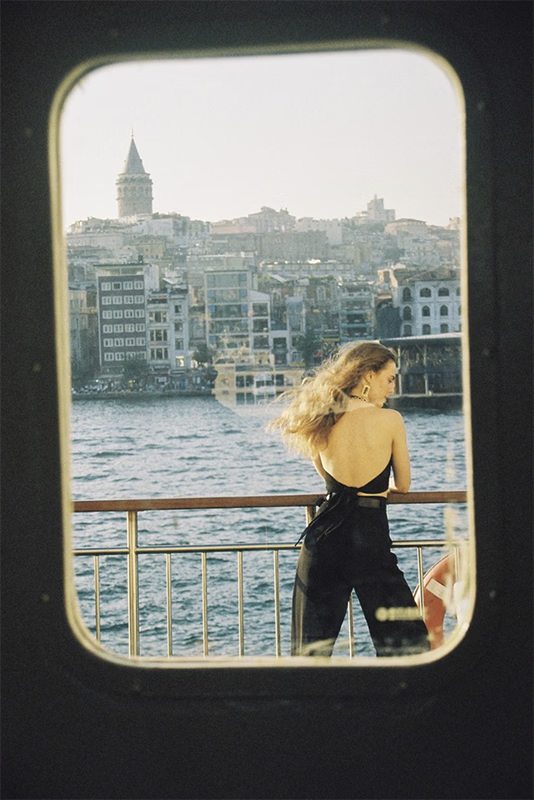
Daria, Galata
Commercial Fashion Photography
Commercial fashion photography balances creative presentation with the practical requirements of advertising and product promotion.
The clothing should remain clearly visible while the photographs communicate the brand’s positioning and appeal to its target audience.
It is particularly useful for fashion campaigns intended for websites, advertising, catalogues, and digital marketing.
Lifestyle Fashion Photography
Lifestyle photography places the collection within a recognizable environment or situation.
Rather than photographing garments against a simple background, it creates a visual context around how the clothing might be worn.
Hotels, beaches, cafés, city streets, villas, and architectural spaces can all contribute to the atmosphere of a campaign.
Studio Fashion Campaigns
Studio productions offer greater control over lighting, backgrounds, composition, and shooting conditions.
They are suitable for collections that require a consistent visual style or a more controlled creative approach.
Studio campaigns can be minimal and clean or highly elaborate, depending on the concept.
The best approach depends on the brand, collection, and intended use of the images. In some projects, combining studio and location photography creates the most versatile result.
5. Choose the Right Models
Model selection is one of the most important creative decisions in fashion campaign photography.
Models are not simply presenting the clothes. Their appearance, personality, expressions, and movement contribute to the visual identity of the campaign.
The right model should complement the collection and connect with the brand’s target audience.
Consider these factors when selecting models:
Brand positioning: A luxury fashion campaign may require a different appearance and attitude from a casual streetwear campaign.
Target audience: The models should help the intended customers relate to the brand.
Collection fit: Body proportions, height, and measurements should be considered in relation to the garments.
Experience: Experienced fashion models can help maintain the pace of the shoot and respond effectively to creative direction.
Versatility: Some campaigns require different expressions, poses, and styles. The model should be comfortable adapting to these requirements.
Depending on the concept, a campaign may use one model, several models, or a combination of different model profiles.
For international brands producing campaigns in Turkey, model coordination can be arranged according to the collection, production budget, and creative requirements.
6. Select the Right Location
The location plays an important role in shaping the atmosphere of a fashion campaign.
It can reinforce the brand’s identity, complement the collection, and create a distinctive visual environment.
The choice should be based on the creative concept rather than simply selecting an attractive place.
Studio Locations
A professional studio is suitable for controlled fashion productions.
Advantages include:
- Consistent lighting conditions
- Greater control over backgrounds
- Protection from changing weather
- Efficient outfit changes
- Flexible creative lighting setups
- Easier production scheduling
Studio photography is especially useful for clean commercial campaigns, lookbooks, and collections that require consistent presentation.
Urban Locations
City environments can create a contemporary atmosphere for fashion campaigns.
Modern architecture, historic streets, industrial spaces, rooftops, and distinctive urban details can provide visual variety.
Istanbul, for example, offers a combination of modern architecture, historic surroundings, and creative urban environments.
Mediterranean and Outdoor Locations
Outdoor locations can introduce natural light, atmosphere, and lifestyle elements into a campaign.
Antalya and the surrounding Mediterranean region offer several possibilities:
- Beaches and coastal landscapes
- Cliffs and natural rock formations
- Historic architecture
- Luxury hotels and resorts
- Villas and outdoor terraces
- Mediterranean streets and landscapes
These environments are particularly suitable for resortwear, swimwear, summer collections, beachwear, and lifestyle fashion campaigns.
Bodrum can also be considered for luxury summer collections and resort-inspired visual concepts.
How to Choose Between Studio and Outdoor Photography
The decision depends on the collection and the creative direction.
A studio provides control and consistency, while outdoor locations introduce atmosphere and environmental storytelling.
Some campaigns benefit from using both. For example, the main collection can be photographed in a studio, followed by an outdoor session that creates lifestyle and promotional images.
For more information about preparing a production in Turkey, read my guide on How to Plan a Fashion Photoshoot in Turkey.
7. Styling, Hair, and Makeup
Styling, hair, and makeup help translate the creative concept into a complete visual presentation.
Even when the clothing is the main subject, these elements influence the overall appearance and atmosphere of the campaign.
Fashion Styling
A fashion stylist prepares the outfits and ensures that each look supports the creative direction.
Responsibilities may include:
- Selecting clothing combinations
- Choosing accessories and footwear
- Preparing outfits before the shoot
- Coordinating colour and texture combinations
- Maintaining garment consistency
- Organizing outfit changes
The stylist should understand the collection and work closely with the photographer and creative director.
Hair and Makeup
Hair and makeup should complement the model, collection, and campaign concept.
A natural commercial campaign may require subtle makeup, while a high-fashion editorial might involve more expressive or dramatic styling.
It is important to establish the desired look before the shoot and share visual references with the hair and makeup artist.
Wardrobe Preparation
All garments should be checked before the shooting day.
Clothing should be clean, steamed or ironed, and organized according to the shooting schedule.
Accessories, shoes, alternative sizes, and backup garments should also be prepared.
Good wardrobe preparation helps avoid unnecessary delays during the production.
8. Build the Production Team and Schedule
A fashion campaign requires coordination between several creative and technical roles.
The size of the production team depends on the concept, number of models, locations, outfits, and final deliverables.
A typical team may include:
| Production Role | Main Responsibility |
|---|---|
| Photographer | Photography, lighting, and visual execution |
| Creative Director | Concept and overall visual direction |
| Fashion Stylist | Clothing, accessories, and outfit coordination |
| Model | Presenting the collection |
| Hair Stylist | Hair preparation and styling |
| Makeup Artist | Makeup and appearance |
| Photo Assistant | Lighting and technical support |
| Production Coordinator | Schedule, logistics, and team coordination |
| Video Crew | Campaign video and social media content |
Not every project requires a large team. A focused studio campaign may need only a photographer, model, stylist, and assistant.
A larger advertising campaign may require additional creative and production professionals.
Create a Realistic Shooting Schedule
The schedule should include enough time for:
- Model preparation
- Hair and makeup
- Lighting adjustments
- Outfit changes
- Photography
- Location changes
- Breaks
- Video content
- Behind-the-scenes material
A realistic schedule helps the team maintain the creative quality of the production without unnecessary pressure.
9. Prepare the Photography and Video Shot List
A campaign should be planned around the images the brand actually needs.
Before the shoot, prepare a shot list that identifies the essential photographs and video content.
A typical fashion campaign shot list may include:
Hero campaign images: The strongest photographs that communicate the overall concept and will be used in major promotional materials.
Full-length photographs: Images showing the complete outfit and silhouette.
Medium portraits: Compositions focusing on the upper body, styling, and model expression.
Detail photographs: Close-ups of fabric, accessories, stitching, patterns, and design features.
Movement photographs: Images showing how the clothing behaves when the model walks, turns, or moves.
Lifestyle photographs: Images that place the collection within its intended environment.
Social media content: Vertical photographs and short videos designed for Reels, Stories, and other digital platforms.
Plan Different Image Formats
Different marketing platforms require different compositions.
For example:
- Horizontal photographs for website banners and editorial layouts.
- Vertical photographs for Instagram Reels covers, Stories, and advertising.
- Square compositions for selected social media posts.
- High-resolution images for print and promotional materials.
It is better to consider these requirements before the shooting day rather than relying on cropping during post-production.
10. The Fashion Campaign Photoshoot: From Setup to Execution
The shooting day is where the creative concept becomes a visual reality.
The photographer works with the team to translate the moodboard and brief into actual photographs.
The process usually begins with lighting and camera setup, followed by model preparation and the first outfit.
Lighting and Composition
Lighting determines how the clothing, textures, colours, and model appear in the final images.
Depending on the concept, the photographer may use:
- Soft, diffused light
- Direct sunlight
- Studio flash lighting
- Dramatic directional light
- Mixed natural and artificial lighting
Composition should guide the viewer’s attention and support the campaign’s visual message.
Model Direction
Model direction is essential for creating natural and effective fashion photographs.
The photographer guides posture, movement, expressions, and the presentation of each garment.
Small changes in body position can significantly influence how a clothing item appears.
The model should also understand the campaign’s intended attitude, whether it is relaxed, elegant, energetic, dramatic, or minimalist.
Maintaining the Creative Direction
During a campaign, consistency is important.
Lighting, styling, colour, model direction, and composition should remain connected to the original concept.
However, there should also be room for creative experimentation. Some of the strongest campaign images can emerge from spontaneous moments or unexpected compositions.

11. Post-Production and Professional Retouching
After the photoshoot, the selected photographs enter the post-production stage.
This is where the images are refined and prepared for their intended use.
Professional post-production can include:
- Image selection and culling
- Exposure and colour correction
- Skin retouching
- Garment and fabric refinement
- Removal of temporary distractions
- Background adjustments
- Cropping and composition refinement
- Final image export
Maintaining Natural Results
Fashion retouching should enhance the photograph without unnecessarily changing the model or garment.
Skin texture should remain natural, fabric details should be preserved, and clothing colours should represent the actual collection as accurately as possible.
Excessive retouching can create unrealistic results and weaken the connection between the campaign image and the real product.
The final editing style should also remain consistent throughout the campaign.
AI Tools in Fashion Campaign Post-Production
AI-assisted tools can support selected post-production tasks, including background adjustments, image cleanup, and certain editing operations.
They can be useful when applied carefully, but they should not compromise the accuracy of the clothing or the visual consistency of the campaign.
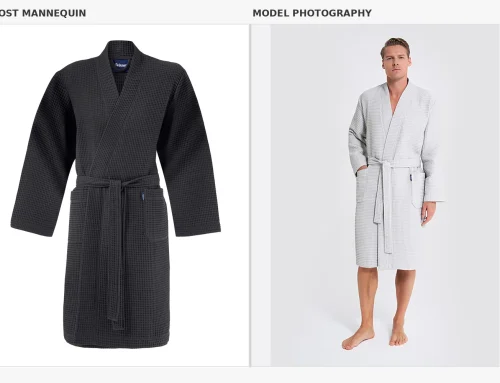
For example, AI background replacement can help adapt a product photograph to a different visual environment. However, garment details, proportions, colours, and textures should be checked carefully after editing.
You can learn more in my guide to AI Background Replacement for Clothing Product Photography.
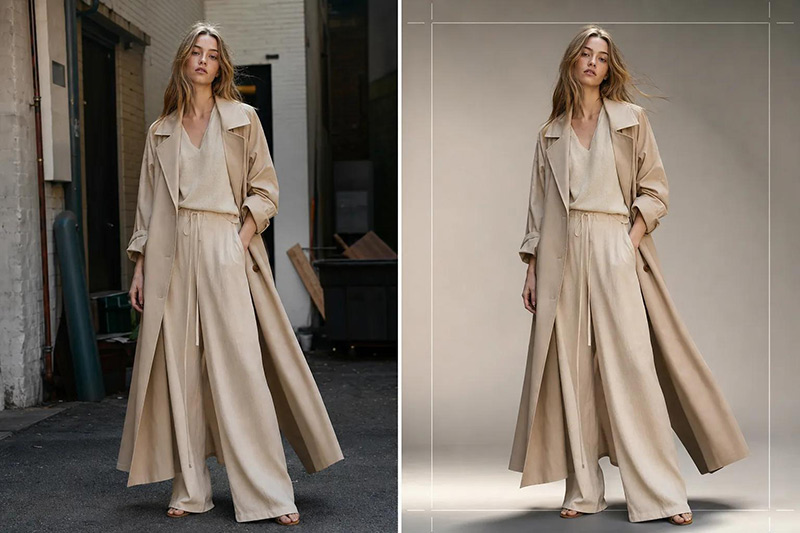
AI Background Replacement for Product Photography
12. Final Image Selection and Delivery
Once the editing process is complete, the final images are prepared for delivery.
The selection should reflect the original campaign brief and include the photographs required for different marketing purposes.
Before delivery, confirm:
- Number of final edited images
- Approved image selection
- Required file formats
- Image dimensions and resolutions
- Horizontal and vertical versions
- Video deliverables, if included
- Delivery date
- Intended usage and licensing terms
A well-organized delivery structure makes it easier for the brand’s marketing team to use the content across different platforms.
For larger campaigns, images can also be grouped by outfit, model, location, or marketing purpose.
13. How Much Does Fashion Campaign Photography Cost?
The cost of fashion campaign photography depends on the creative concept, production size, and final deliverables.
A simple studio campaign and a multi-location advertising production have very different requirements.
The main cost factors include:
Photography fee: The photographer’s time, creative input, lighting, shooting, and technical execution.
Models: Model fees depend on experience, agency representation, shooting duration, and usage requirements.
Styling: The cost of a fashion stylist, wardrobe preparation, accessories, and clothing coordination.
Hair and makeup: Professional hair and makeup services for the models.
Studio and locations: Studio rental, location fees, permits, and access arrangements where applicable.
Production team: Assistants, coordinators, and additional creative professionals.
Travel and logistics: Transportation, accommodation, equipment movement, and other production expenses.
Post-production: Image selection, professional retouching, and additional editing requirements.
Video production: Additional costs for campaign films, short-form videos, and social media content.
How to Prepare a Realistic Campaign Budget
Before requesting a quotation, prepare a brief that includes:
- Collection and product details.
- Number of outfits and models.
- Preferred shooting location.
- Studio or outdoor requirements.
- Photography and video needs.
- Number of final edited images.
- Expected production dates.
- Intended image usage.
A clear brief makes it easier to calculate the production requirements and prepare a realistic quotation.
The best approach is to plan the entire production rather than considering the photographer’s fee as the only cost.
14. Fashion Campaign Photography in Turkey
Turkey offers fashion brands a combination of experienced creative professionals, textile and garment production infrastructure, diverse locations, and established photography services.
For international fashion brands, producing a campaign in Turkey can provide access to both commercial photography and a wide range of visual environments.
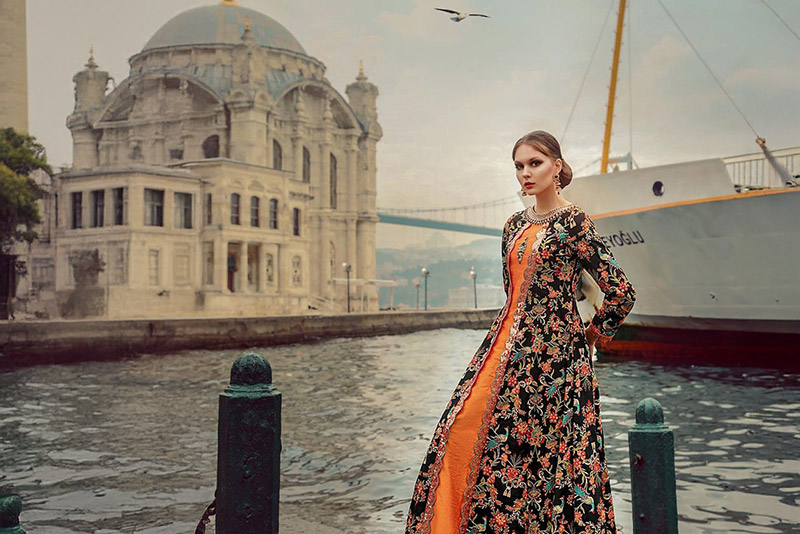
Fashion Campaign Photography in Ortakoy, Istanbul
Istanbul: Urban, Editorial, and Commercial Fashion
Istanbul offers a diverse range of locations, from modern architecture and urban streets to professional studios and historic environments.
It is suitable for:
- Fashion advertising campaigns
- Studio lookbooks
- Editorial fashion photography
- Contemporary clothing collections
- Commercial model photography
- Brand and collection launches
Antalya: Mediterranean and Resortwear Campaigns
Antalya provides a different visual atmosphere, particularly for brands producing summer collections and lifestyle campaigns.
Its beaches, coastal landscapes, historic streets, luxury hotels, and natural environments offer different possibilities for fashion photography.
It is particularly suitable for:
- Resortwear campaigns
- Swimwear and beachwear
- Summer fashion collections
- Luxury lifestyle photography
- Outdoor editorial productions
Bodrum: Luxury Summer and Lifestyle Campaigns
Bodrum can be a strong option for premium summer collections, resortwear, and luxury lifestyle concepts.
Its coastal architecture, marinas, villas, and resort environments provide a distinctive Mediterranean setting.
For international brands, choosing the right city depends on the collection, target audience, creative concept, and production requirements.
You can explore my Fashion Photoshoots in Turkey for Gulf Brands page for more information about campaign photography and production opportunities in Turkey.
15. Working with a Fashion Photographer and Production Partner
A fashion campaign requires more than technical photography. It needs a photographer who can understand the brand’s objectives and translate them into a coherent visual result.
The right production partner should be able to contribute to creative planning, visual direction, model coordination, lighting, and the practical organization of the shoot.
When evaluating a photographer, review:
- Previous fashion campaign projects
- Experience with commercial and editorial photography
- Lighting and composition style
- Model direction and styling approach
- Ability to work in studio and outdoor locations
- Experience with international brands
- Post-production quality
- Communication and production organization
I am Umur Dilek, a fashion and commercial photographer based in Turkey, working between Antalya, Istanbul, and other production locations.
My background includes fashion photography, advertising, product photography, editorial projects, and commercial content production.
I work with fashion brands, designers, clothing manufacturers, and international clients who need professional photography and visual content in Turkey.
Depending on the project, production can include:
- Fashion campaign photography
- Editorial and lifestyle photography
- Lookbook production
- Model and e-commerce photography
- Studio and outdoor photoshoots
- Fashion video and short-form content
- Model and creative team coordination
- Location and production planning
- Professional image selection and retouching
The production approach is adapted to each brand’s identity, collection, and commercial objectives.
You can explore my Fashion Photography Portfolio to see selected projects and visual approaches.
For a broader overview of the services available, visit my Fashion Photography and Production Services page.
Frequently Asked Questions About Fashion Campaign Photography
What is the difference between fashion campaign photography and lookbook photography?
Fashion campaign photography focuses on communicating a brand’s identity and the creative concept of a collection. Lookbook photography is generally more focused on presenting the individual outfits and products in a consistent visual format. A campaign often allows more creative freedom, while a lookbook prioritizes clear collection presentation.
How long does a fashion campaign photoshoot take?
A small studio campaign may be completed in one day. Larger productions involving multiple models, locations, styling changes, and video content may require several shooting days. The duration depends on the collection size and production schedule.
What should a fashion campaign brief include?
A campaign brief should include the brand identity, target audience, collection details, creative direction, moodboard, model requirements, preferred locations, final deliverables, production dates, and budget.
Do fashion campaigns always require professional models?
Not necessarily, but professional models are often used because they understand posing, movement, and garment presentation. The choice depends on the brand, campaign concept, and intended audience.
Is studio or outdoor photography better for fashion campaigns?
Both approaches have advantages. Studio photography offers greater control over lighting and backgrounds, while outdoor photography provides atmosphere and environmental storytelling. The best choice depends on the collection and creative concept.
Can a fashion campaign include both photography and video?
Yes. Many brands produce campaign photographs and short-form videos within the same production. This can create consistent visual content for websites, social media, and advertising platforms.
How many final images should a fashion campaign include?
There is no fixed number. A smaller campaign may require a limited selection of hero images, while a larger seasonal campaign may need dozens of photographs for websites, social media, advertising, and promotional materials. The number should be defined in the production brief.
Can international fashion brands organize a campaign in Turkey?
Yes. International brands can work with photographers and local production teams in Turkey. With proper planning, model coordination, styling, locations, photography, and post-production can be organized according to the campaign’s requirements.
Final Thoughts: Turning a Creative Concept into a Fashion Campaign
A successful fashion campaign brings together creative thinking, professional photography, styling, model direction, production planning, and post-production.
The strongest campaigns are not simply collections of attractive photographs. They communicate a clear visual identity and present the collection in a way that connects with the brand’s audience.
From the initial brief and moodboard to the final edited images, every stage contributes to the overall result.
If you are planning a fashion campaign, launching a new collection, or looking for a photography production partner in Turkey, get in touch to discuss your project.
Let’s develop a visual direction that reflects your brand and turns your collection into a distinctive campaign.
Leave A Comment