
Clothing Product Photography: Studio vs Model Photography
Clothing Product Photography plays an important role in how customers evaluate fashion products, understand fit and quality, and decide whether to make a purchase. For clothing brands, choosing between studio product photography and model photography is not simply an aesthetic decision. Each approach serves a different purpose, communicates product information in a different way, and influences the overall presentation of an online store.
Studio photography focuses on presenting the garment clearly, consistently, and without unnecessary distractions. Model photography shows how clothing looks when worn, helping customers understand its fit, proportions, movement, and styling potential.
So, which approach is better for your brand?
The answer depends on your product range, target audience, sales channels, visual identity, and production budget. In this guide, we compare both methods and explain when to use each one.
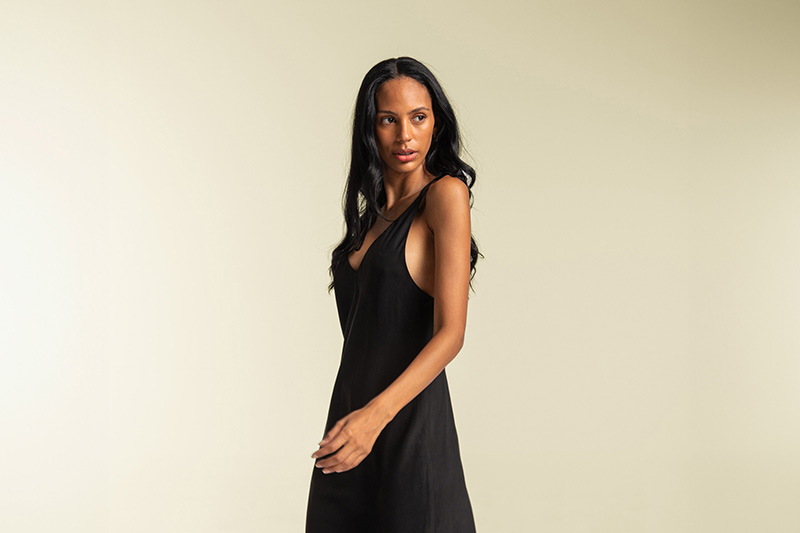
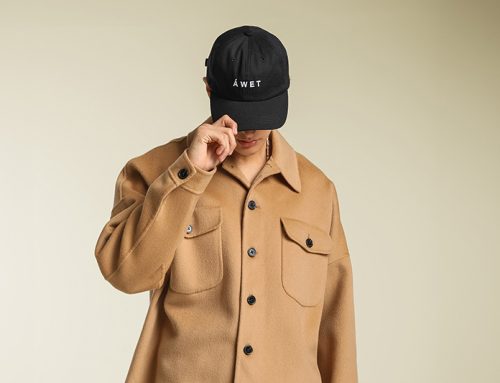
Photoshoot for Awet NYC by Umur Dilek
What Is Studio Clothing Product Photography?
Studio clothing product photography presents garments in a controlled environment, usually against a clean background with carefully managed lighting. The main objective is to show the product accurately and consistently.
This approach is widely used for e-commerce websites, online marketplaces, digital catalogues, and wholesale collections.
Studio clothing photography can include several different techniques:
1. Flat Lay Photography
Flat lay photography involves arranging garments on a flat surface and photographing them from above. It is particularly useful for T-shirts, shirts, knitwear, trousers, accessories, and smaller clothing items.
It allows brands to display products without hiring models or arranging complex styling.
Flat lay images can also show multiple products together, making them useful for collections, outfit combinations, and social media content.
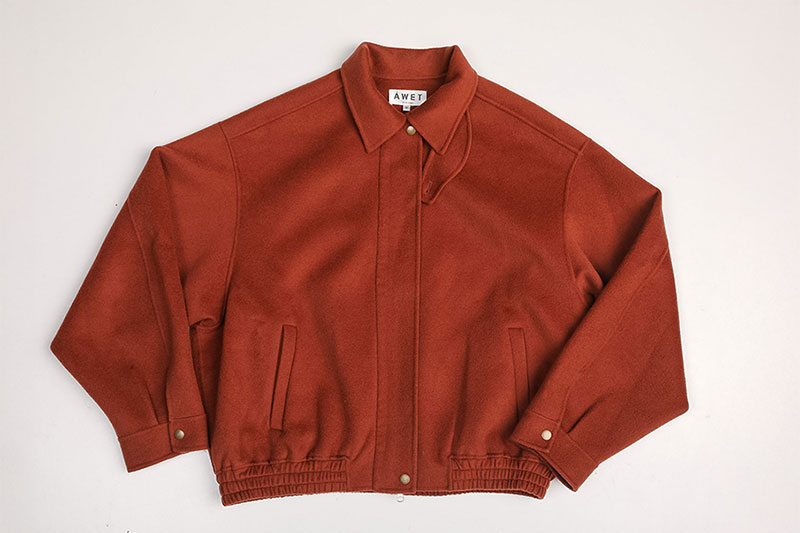
Flat Lay photoshoot of Awet NYC
2. Ghost Mannequin Photography
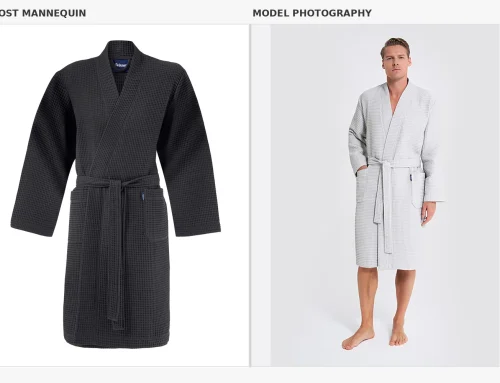
Ghost mannequin photography creates the appearance of an invisible model wearing the garment. The clothing is photographed on a mannequin, and multiple images are combined during post-production to remove the mannequin.
This technique helps communicate the garment’s shape, structure, and fit while keeping the focus on the product.
It is especially useful for jackets, shirts, dresses, knitwear, and other garments where the internal construction and silhouette matter.
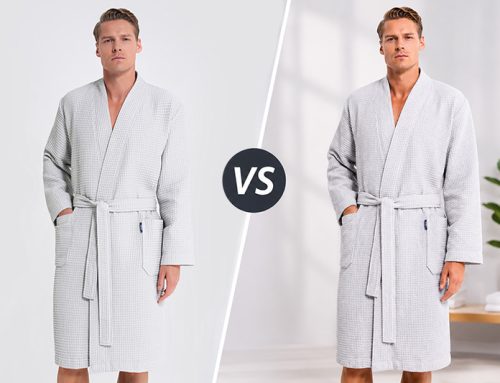
For a more detailed comparison, see my guide to Ghost Mannequin vs Model Photography.
3. Hanger Photography
Hanger photography presents garments hanging against a plain background. It is a relatively simple and efficient option for brands that need to photograph large collections.
However, it offers less information about fit and shape than ghost mannequin or model photography.
4. Detail and Close-Up Photography
Detail images highlight fabric texture, stitching, buttons, zippers, embroidery, prints, labels, and other construction elements.
These images are valuable because customers cannot physically touch clothing when shopping online. Close-ups help communicate material quality and product details that may not be visible in a standard product image.
What Is Model Clothing Product Photography?
Model clothing product photography shows garments being worn by professional models. Instead of presenting the clothing as an isolated object, this approach demonstrates how it looks on a person.
Customers can see the garment’s proportions, fit, length, silhouette, and relationship with the human body.
Model photography can take place in a studio, outdoors, or in a lifestyle environment. The choice depends on the brand’s visual direction and intended use of the images.
1. Studio Model Photography
Studio model photography combines the controlled environment of a professional studio with the visual information provided by a model.
Lighting, background, and camera angles remain consistent, making this approach suitable for online stores and fashion catalogues.
It is particularly effective for brands that want a clean, professional, and uniform product presentation while showing how garments fit.
2. Lifestyle Model Photography
Lifestyle photography presents clothing in a natural or carefully designed environment. Locations may include streets, cafés, modern interiors, beaches, architectural spaces, or other settings connected to the brand’s identity.
Lifestyle images help customers imagine how they might wear a product in everyday life.
They are especially useful for fashion campaigns, social media, brand websites, and advertising.
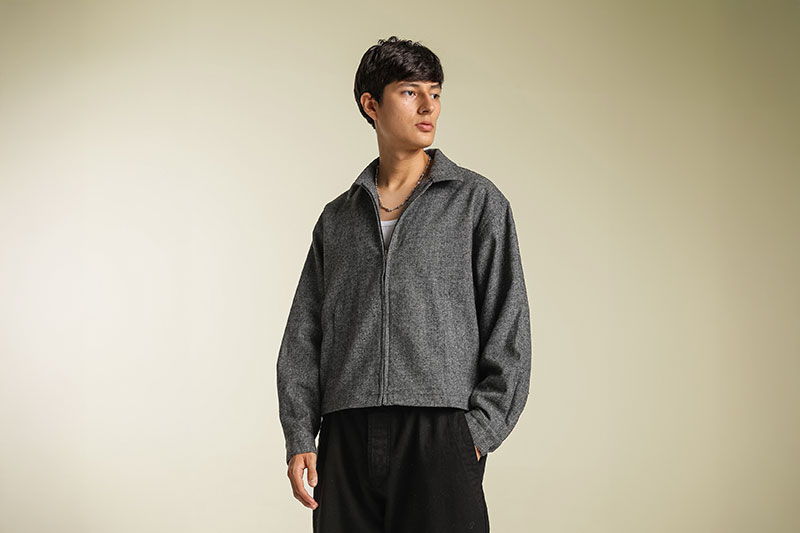
Awet clothing product photography by Umur Dİlek
3. Editorial Model Photography
Editorial photography uses creative direction, styling, lighting, composition, and model expression to communicate a visual concept.
Rather than simply showing what a garment looks like, it creates a stronger visual identity around the collection.
This approach is suitable for fashion brands that want distinctive campaign images and a recognisable visual language.
Studio vs Model Photography: Key Differences
Both approaches can produce professional clothing images, but they serve different commercial and visual purposes.
| Comparison | Studio Product Photography | Model Photography |
|---|---|---|
| Main purpose | Show the product clearly | Show fit, proportions, and styling |
| Visual style | Clean and consistent | Human and expressive |
| Product details | Excellent for close-ups | Visible, but may require additional images |
| Fit presentation | Limited, depending on technique | Strong |
| Model costs | Usually not required | Model fees may apply |
| Production time | Often faster for large collections | More planning and coordination |
| Brand storytelling | Limited | Stronger potential |
| E-commerce use | Excellent | Excellent |
| Social media use | Useful for product posts | Strong for engaging content |
| Campaign potential | Limited | High |
The most important difference is the information each image communicates. Studio photography explains the product, while model photography helps customers understand how the product looks when worn.

Which Method Is Better for E-commerce Clothing Photography?
For most online clothing stores, the best solution is not necessarily choosing one method over the other. It is creating a product image system that combines clear product presentation with realistic fit and styling information.
When Studio Photography Is the Better Choice
Studio product photography is particularly effective when:
- You have a large number of products to photograph.
- Your website requires consistent product images.
- You sell basic clothing such as T-shirts, shirts, trousers, or knitwear.
- Your customers need to compare colours, fabrics, and product details.
- You want to keep production costs and logistics manageable.
- Your main priority is a clean and uniform online catalogue.
For example, a clothing brand launching 100 different T-shirt designs may benefit from a consistent studio setup. The same lighting, background, framing, and image treatment can be used throughout the collection.
This creates a professional online store and makes product comparisons easier.
When Model Photography Is the Better Choice
Model photography is more suitable when:
- Fit and silhouette are important selling points.
- You sell dresses, outerwear, tailored clothing, or occasionwear.
- Your customers need to understand how garments look on the body.
- You want to communicate a lifestyle or fashion identity.
- You need images for advertising and social media.
- Your collection depends on styling and outfit combinations.
For example, a brand selling tailored jackets may need model photography to show shoulder structure, sleeve length, proportions, and how the jacket fits when worn.
A product-only image cannot communicate all these details equally well.
Does Model Photography Increase Clothing Sales?
Model photography can improve the quality of product presentation because it gives customers more context about how clothing looks when worn.
A model image can help customers evaluate:
- How a garment fits around the shoulders and waist.
- Where the hemline falls.
- How long the sleeves are.
- How the fabric behaves when the model moves.
- How different pieces can be styled together.
- How the product looks on a person with a particular body type.
However, model photography does not automatically guarantee higher sales. Results depend on image quality, product accuracy, pricing, website experience, customer expectations, and many other factors.
The important point is to reduce uncertainty. Customers should be able to understand what they are buying before placing an order.
For this reason, model images should support rather than replace accurate product information and clear product photography.
The Cost Difference Between Studio and Model Photography
Production costs vary depending on the number of products, shooting duration, team size, location, and post-production requirements.
Studio product photography is generally more economical when a brand needs a large number of standardised images.
Model photography usually requires a larger production budget because it may involve additional services and people.
Typical Studio Photography Costs
Studio production may include:
- Photographer’s fee
- Studio rental, if required
- Lighting and photography equipment
- Product preparation and steaming
- Styling and arrangement
- Image editing and retouching
For flat lay or hanger photography, the production team can be relatively small. Ghost mannequin photography may require additional preparation and more detailed post-production.
Typical Model Photography Costs
A model-based production may include:
- Photographer’s fee
- Model fees
- Studio or location rental
- Stylist
- Hair and makeup artist
- Photography assistant
- Production coordination
- Clothing preparation
- Image selection and retouching
The final cost depends on the creative direction and production requirements.
For international fashion brands producing content in Turkey, working with a local photographer and production team can make it easier to coordinate models, locations, studios, and other services.
You can learn more about fashion photography and production services for projects in Turkey.
How Many Images Should a Clothing Product Have?
The ideal number of images depends on the product category, sales channel, and complexity of the garment.
A simple T-shirt does not need the same visual coverage as a structured jacket or a detailed dress.
A practical product image set may include:
- Front view
- Back view
- Side view
- Three-quarter view
- Fabric or construction detail
- Model image showing the fit
- Additional styling or lifestyle image
Not every product needs all seven images. The goal is to provide enough visual information for customers to understand the garment.
For a basic e-commerce collection, a combination of clean studio images and a smaller selection of model photographs can be an effective solution.
For more complex garments, additional views and close-ups may be necessary.
Should Clothing Brands Combine Studio and Model Photography?
Yes. Combining both approaches is often the most practical strategy for clothing brands.
Studio photography provides consistency across the product catalogue, while model photography adds context, styling, and a more engaging visual experience.
A hybrid approach can be organised as follows:
Product Catalogue
Use studio photography as the primary product presentation. Keep backgrounds, lighting, framing, and image treatment consistent across the collection.
Product Detail Pages
Add model images to show fit, proportions, and styling. Include close-up photographs where fabric texture or construction details are important.
Website Banners and Campaigns
Use stronger model and lifestyle images to communicate the brand’s visual identity.
Social Media and Advertising
Prioritise model photography, creative styling, and lifestyle content. These formats provide more opportunities to create distinctive visual stories.
This strategy allows brands to maintain a consistent e-commerce catalogue without limiting their visual communication to standard product images.
How to Plan a Clothing Product Photography Production
A successful production starts before the camera is set up. Planning the workflow helps control costs, maintain visual consistency, and avoid unnecessary reshoots.
1. Define the Purpose of the Images
Start by identifying where the photographs will be used.
Are they intended for an online store, marketplace listings, wholesale catalogues, social media, advertising, or a seasonal campaign?
Different platforms and purposes may require different image formats and visual styles.
2. Prepare the Product Collection
Make sure garments are clean, steamed, and ready to photograph.
Check sizes, colours, labels, buttons, zippers, and other details. Prepare a product list and organise the garments in the order they will be photographed.
This is particularly important for brands with large collections.
3. Create a Shot List
A shot list defines which images are required for each product.
For example, one garment may need front, back, detail, and model images, while another may only need a front view and a close-up.
A clear shot list helps the photographer estimate production time and ensures that important images are not missed.
4. Establish the Visual Direction
Decide on the background, lighting, composition, model styling, and overall aesthetic.
For standard e-commerce photography, consistency should be the priority.
For fashion campaigns and lifestyle images, the visual direction can be more creative and expressive.
5. Choose the Right Production Team
The team depends on the scale and complexity of the project.
A straightforward studio shoot may only require a photographer and an assistant. A model-based campaign may need a stylist, makeup artist, models, and production coordination.
The goal is to build a team that meets the project’s requirements without unnecessary expenses.
6. Plan Post-Production and Delivery
Before the shoot, agree on image selection, retouching standards, file formats, image dimensions, naming conventions, and delivery dates.
This is especially important for brands that need to upload hundreds of product images to an e-commerce platform.
Clothing Product Photography in Turkey
Turkey is an important production and manufacturing destination for international clothing brands. Companies working with Turkish textile manufacturers may need product photography, lookbook images, campaign visuals, and e-commerce content for collections produced locally.
Organising photography production in Turkey can help brands coordinate their products, creative teams, and shooting locations within the same country.
I work on fashion and commercial photography projects in Istanbul, Antalya, and other locations in Turkey, depending on the production requirements.
For brands planning a larger fashion production, Fashion Photoshoots in Turkey for Gulf Brands explains how fashion photography projects can be organised for international brands.
You can also explore examples of my fashion photography work in Turkey.
Common Mistakes in Clothing Product Photography
Even a well-planned production can lose its effectiveness if the images do not communicate the product accurately.
Here are some common mistakes clothing brands should avoid.
1. Using Inconsistent Lighting
Different lighting conditions across product images can make an online catalogue look unprofessional. Consistent lighting helps maintain a uniform appearance and makes product comparisons easier.
2. Showing Too Few Product Angles
A single front-facing image may not provide enough information about a garment. Important details such as the back, side, neckline, fabric, and construction may be missing.
3. Ignoring Accurate Colours
Colour accuracy is particularly important in online clothing sales. Excessive editing or inconsistent white balance can make garments look different from the actual products.
4. Choosing Models Without Considering the Target Audience
Model selection should reflect the brand’s positioning and the intended customer. Body proportions, age range, styling, and overall presentation all influence how the product is perceived.
5. Overusing Creative Effects
Creative lighting and editing can work well for campaigns, but product images should not sacrifice clarity. Customers need to see the actual garment rather than an overly stylised interpretation.
6. Treating Every Clothing Category the Same
A basic cotton T-shirt, a tailored jacket, and an evening dress have different visual requirements. The photography method should reflect the product’s construction, fit, and selling points.
Frequently Asked Questions
Is studio or model photography better for clothing brands?
Studio photography is generally better for consistent product catalogues and large collections. Model photography is more effective for showing fit, proportions, styling, and brand identity. Many clothing brands benefit from combining both methods.
Is model photography necessary for an online clothing store?
It is not essential for every product, but it can provide valuable information about fit and appearance. Model images are particularly useful for dresses, jackets, trousers, and garments where silhouette and proportions matter.
Is studio clothing photography cheaper than model photography?
Studio product photography is generally more economical, especially for large collections. Model photography may require additional costs for models, styling, makeup, and production coordination.
What is the best photography method for a large clothing collection?
For a large collection, a consistent studio setup is usually the most efficient starting point. Selected model images can then be added to highlight important products or show how garments fit.
Can studio photography and model photography be used together?
Yes. A common approach is to use studio images for the main product catalogue and model images for product detail pages, advertising, social media, and campaign content.
How many photos should each clothing product have?
The number depends on the garment and the information customers need. A basic product may require three or four views, while more complex garments may benefit from additional angles, close-ups, and model images.
Can clothing product photography be produced in Turkey?
Yes. Fashion and clothing photography projects can be organised in Turkey, including studio product photography, model shoots, lookbooks, and campaign production. The production setup depends on the collection, location, and brand requirements.
Final Thoughts: Choosing the Right Photography for Your Clothing Brand
Studio and model photography are not competing methods. They solve different problems.
Studio clothing product photography provides clarity, consistency, and efficiency. Model photography adds fit information, styling, and a human connection to the product.
For most clothing brands, the strongest visual strategy is a combination of both: clean studio images for the catalogue, supported by model photographs that show how the garments look and move when worn.
The right balance depends on your collection, target audience, sales channels, and budget.
If you are planning a clothing product photography project in Turkey, contact me to discuss your collection and production requirements.
Leave A Comment